In the dimly lit meetings of the Homebrew Computer Club in Palo Alto during the spring of 1976, world history was being written—though few realized it at the time. While most hobbyists were wrestling with the complex toggle switches and blinking LEDs of the Altair 8800, a young engineer named Steve Wozniak arrived with a wooden-cased prototype that would change everything. As we approach the 50th anniversary of Apple Computer, we look back at the machine that started it all: the Apple I.
Apple I – A Masterclass in Minimalism
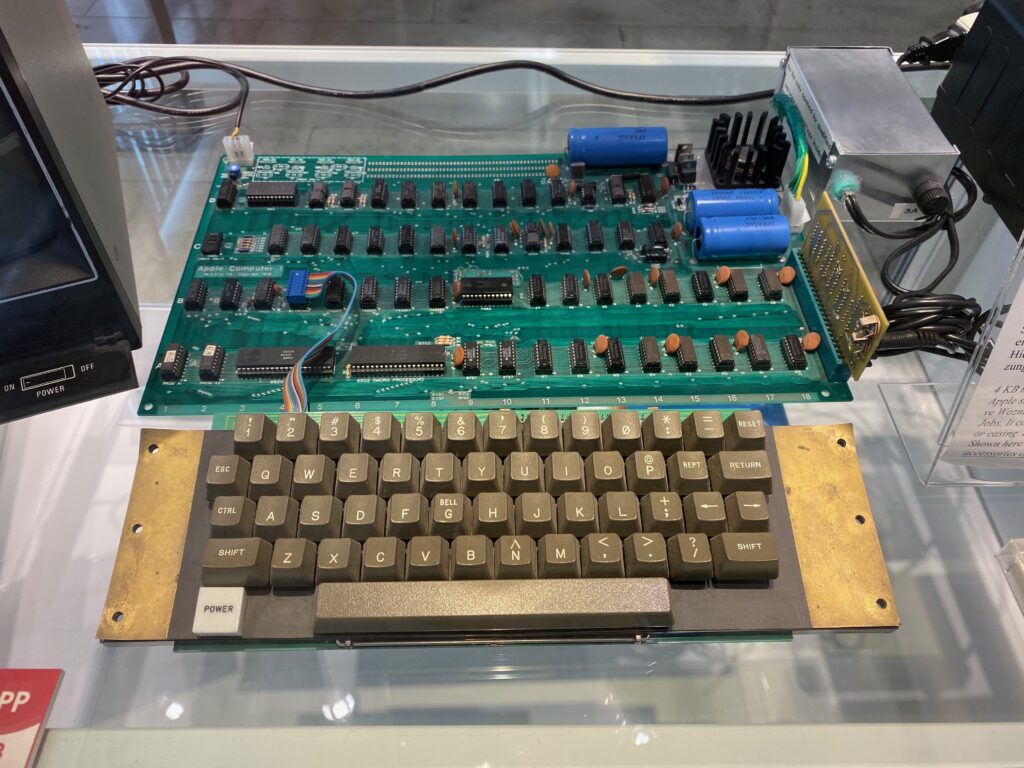
Apple I in the German Museum in Munich, Germany.
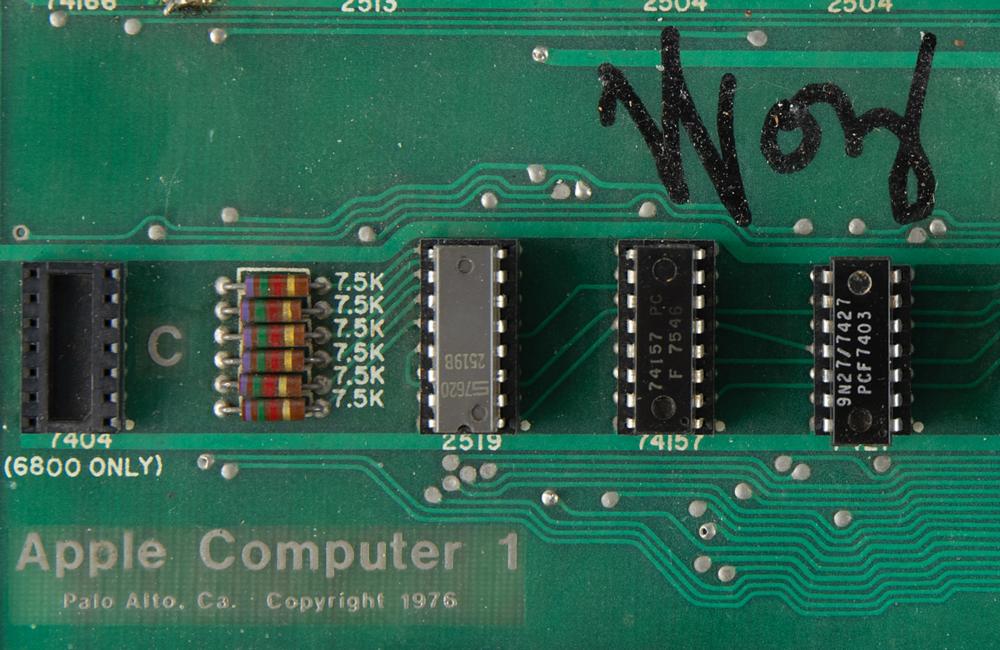
The Apple I was not a computer in the modern sense; it arrived as a naked circuit board consisting of about 60 chips. However, beneath its modest exterior lay a technical revelation. Steve Wozniak, known affectionately in engineering circles as “The Woz,” had crafted a design that was unparalleled in its efficiency.
While contemporary machines required hundreds of chips just to function, Wozniak utilized the then-affordable MOS 6502 processor (clocked at a modest 1 MHz) and combined it with a groundbreaking video terminal. This was the defining breakthrough: the Apple I was the first affordable computer that allowed a user to type on a keyboard and see the characters appear instantly on a regular television screen. It marked the shift from the cryptic language of machines to a more intuitive human interaction.
Steve Wozniak: The Reluctant Revolutionary
To understand the Apple I, one must understand Wozniak’s philosophy. He was not a businessman; he was a “hacker” in the original, purest sense of the word—a person who creates for the joy of discovery and the benefit of his peers. Wozniak famously offered his design to his employer, Hewlett-Packard, five times, only to be rejected each time.
His brilliance lay in hardware optimization. He wrote the system monitor and the BASIC interpreter by hand in machine code, often without a physical prototype to test his logic. Wozniak’s focus on accessibility—at least by 1976 standards—laid the foundation for the core Apple philosophy: technology should serve the person, not the other way around. Without Wozniak’s specific brand of engineering genius, the personal computer might have remained a niche tool for scientists for another decade.
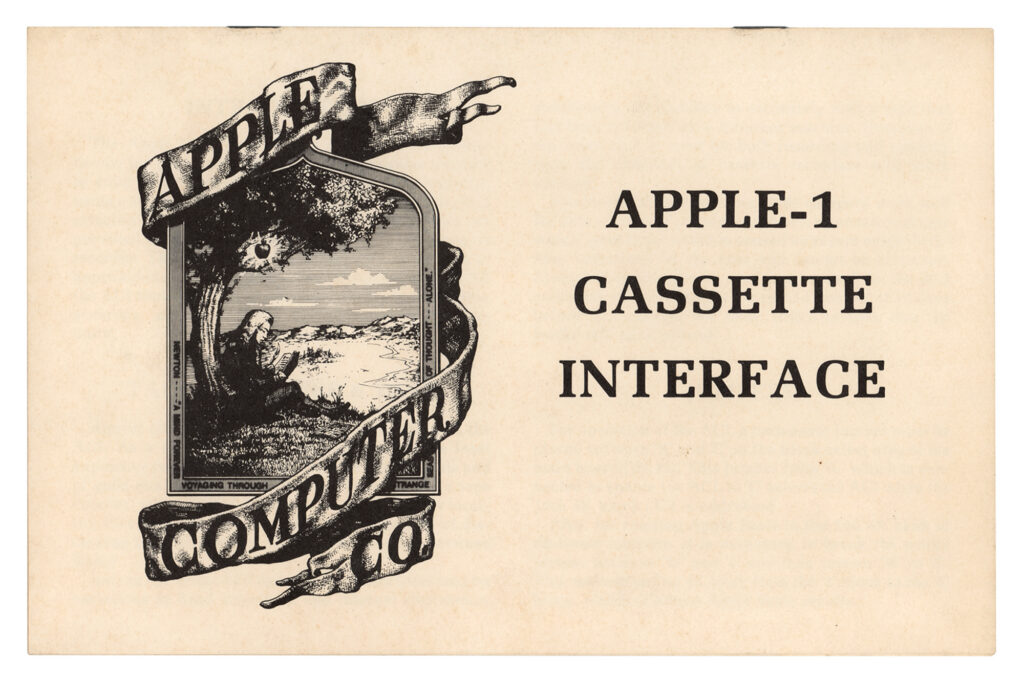
Manual Apple I Cassette Interface
Despite its minimalist design, Wozniak had the foresight to include a single expansion slot on the Apple I motherboard, which proved to be a critical architectural decision. The most significant accessory for this slot was the Apple Cassette Interface (ACI). In an era before affordable floppy disks or hard drives, users were forced to manually type in hundreds of lines of code every time they powered on the machine. The ACI card changed everything by allowing users to save and load programs using a standard, inexpensive audio cassette recorder. Wozniak’s interface was a marvel of engineering, capable of transferring data at 1,200 bits per second—roughly four times faster than the competing Altair interface. This expansion capability not only made the Apple I more practical for actual work but also foreshadowed the massive expandability that would eventually make the Apple II a global sensation.
Apple I – From the Garage to the “Byte Shop”
While Wozniak provided the soul of the machine, it was Steve Jobs who provided the ambition. Wozniak was prepared to give his circuit diagrams away for free, but Jobs saw the commercial potential. To fund the production of the first 200 units, Jobs sold his VW bus and Wozniak sold his prized HP-65 calculator.
The manufacturing of the Apple I was a far cry from the automated assembly lines of today’s Silicon Valley. It was a true “cottage industry” operation, centered in the Jobs family home on Crist Drive. Before the move to the legendary garage, many of the boards were actually assembled and tested in the spare bedroom of Steve Jobs’ sister. Steve Wozniak and Jobs, occasionally assisted by friends like Daniel Kottke and family members, hand-soldered the components onto the printed circuit boards. Each unit was a labor-intensive project; Wozniak himself performed the final quality control, meticulously checking for solder bridges and faulty chips. This artisanal approach meant that production was slow—often limited to just a few units a day—reflecting the transition from a hobbyist’s workbench to a fledgling commercial enterprise.
The legendary retail price of $666.66—chosen by Wozniak because he liked repeating digits and was oblivious to any occult connotations—marked the beginning of a new industry. Paul Terrell, owner of the “Byte Shop,” ordered the first 50 units but insisted they come fully assembled. This was a pivotal moment: the Apple I was still a “kit” in that it lacked a case, power supply, and monitor, but it was no longer a bag of loose parts. It was a product.
Historical Assessment: Apple I – The Bedrock of the Modern Era
Looking back half a century later, what is the true legacy of the Apple I? While it wasn’t the first personal computer in existence, it was the first modern PC.
The Interface Revolution: By integrating a video terminal directly onto the motherboard, the Apple I established the keyboard-and-screen paradigm that we still use today.
The Economic Blueprint: It proved that a small group of visionaries with minimal capital could disrupt established industry giants. It was the birth of the “garage startup” mythos.
The Bridge to Greatness: The Apple I served as the essential prototype for the Apple II. Every lesson Wozniak learned—from memory management to color graphics—was refined in the 1977 successor, which truly launched the mass-market computer age.
Today, fewer than 70 Apple I computers are estimated to exist worldwide. They are traded at auctions for hundreds of thousands of dollars, not merely as electronic antiques, but as relics of a moment when two young men decided to put a “dent in the universe.” Fifty years later, that dent has reshaped every aspect of human life.
Date
Auction House
Item & Key Features
Closing Price (USD)
January 2026
RR Auction
Apple-1 “Prototype Board #0”: The legendary “Celebration” board used by Steve Jobs for demonstrations.
$2,750,000
September 2024
Christie’s
Fully functional Apple-1 from original owner; includes manual and rare ACI cassette interface.
$945,000
March 2023
RR Auction
“Data Domain” Exemplar: A previously unlisted model used as a store demonstrator in 1977.
$223,520
August 2022
RR Auction
Steve Jobs’ Personal Prototype: Heavily modified and used to secure the first major Byte Shop order.
$677,196
November 2021
John Moran
“Chaffey College” Model: One of the few surviving units featuring an original Koa wood case.
$400,000
Historical sales data of the Apple I computer (2021–2026).
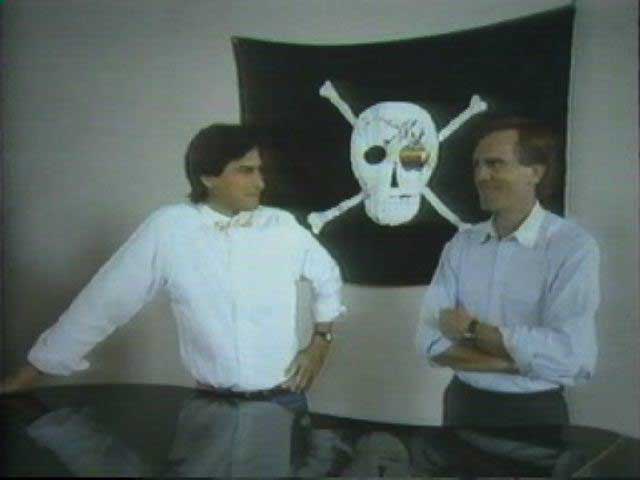
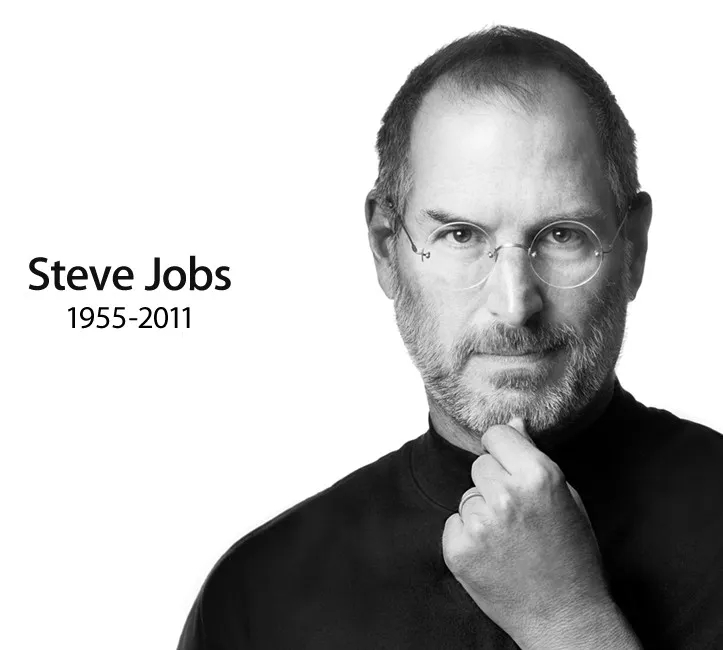
It’s a story of corporate courtship, a brief period of “magical” synergy, and a cold-blooded boardroom coup that fundamentally reshaped the trajectory of personal computing. At the heart of this drama stood two men: the visionary co-founder Steve Jobs and the seasoned marketing executive John Sculley.
The Seduction: From Sugar Water to Silicon
By 1983, Apple was no longer a hobbyist’s garage project; it was a public company facing fierce competition from IBM. Steve Jobs, while brilliant, was perceived by the board as too young and volatile to lead a multinational corporation. They wanted “adult supervision.”
Jobs set his sights on John Sculley, the then-president of PepsiCo. Sculley was a marketing prodigy responsible for the “Pepsi Challenge.” The recruitment process was a months-long pursuit that culminated in one of the most famous lines in business history. When Sculley initially hesitated, Jobs challenged him:
“Do you want to sell sugar water for the rest of your life, or do you want to come with me and change the world?” Steve Jobs challenges John Sculles
Jobs wanted Sculley to share his excitement about the Macintosh and showed him a prototype. “This product means more to me than anything I’ve done,” Jobs said. “I want you to be the first person outside of Apple to see it.” He dramatically pulled the prototype out of a vinyl bag and gave a demonstration. Sculley found Jobs as memorable as his machine. “He seemed more a showman than a businessman. Every move seemed calculated, as if it was rehearsed, to create an occasion of the moment.”
Jobs had asked Software Developer Andy Hertzfeld and the gang to prepare a special screen display for Sculley’s amusement. “He’s really smart,” Jobs said. “You wouldn’t believe how smart he is.” The explanation that Sculley might buy a lot of Macintoshes for Pepsi “sounded a little bit fishy to me,” Hertzfeld recalled, but he and Susan Kare created a screen of Pepsi caps and cans that danced around with the Apple logo. Hertzfeld was so excited he began waving his arms around during the demo, but Sculley seemed underwhelmed. “He asked a few questions, but he didn’t seem all that interested,” Hertzfeld recalled. He never ended up warming to Sculley. “He was incredibly phony, a complete poseur,” he later said. “He pretended to be interested in technology, but he wasn’t. He was a marketing guy, and that is what marketing guys are: paid poseurs.”
Steve Jobs was not very impressed by the concerns of his team and decided to hire the marketing specialist: Sculley joined Apple as CEO in April 1983, bringing the corporate discipline and marketing prowess Apple’s board craved.
John Sculley and Steve Jobs: The “Dynamic Duo” Phase
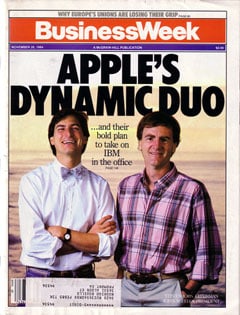
Apple’s Dynamic Duo
Initially, the partnership was remarkably harmonious. The media dubbed them the “The Dynamic Duo.”. Jobs was the product visionary, dreaming up the Macintosh; Sculley was the operational expert who knew how to scale a brand.
The Bond: They were nearly inseparable, often finishing each other’s sentences in interviews. Sculley gave Jobs the professional validation he sought, and Jobs gave Sculley a sense of higher purpose beyond consumer goods.
During this honeymoon period, they successfully launched the Macintosh in 1984, backed by the iconic Super Bowl commercial. It seemed, for a moment, that the marriage of counter-culture innovation and Madison Avenue marketing was invincible.
The Apple Macintosh had not been a success from the outset. The hardware was not designed particularly generously for the requirements of a graphical user interface. Especially the main memory had been calculated rather tightly. Moreover, there was no hard disk for the Mac at that time.
“The original 128K Mac had too many problems to list,” wrote Jack Schofield from the Guardian 20 years later in an article about the 20th anniversary of the apple Macintosh. “It had too little software, you couldn’t expand it (no hard drive, no SCSI port, no ADB port, no expansion slots), it was horribly underpowered and absurdly overpriced. The way MacWrite and MacPaint worked together was brilliant, but producing anything more than a short essay was a huge struggle. Just copying a floppy was a nightmare.” In addition, there was a lack of appropriate business software.
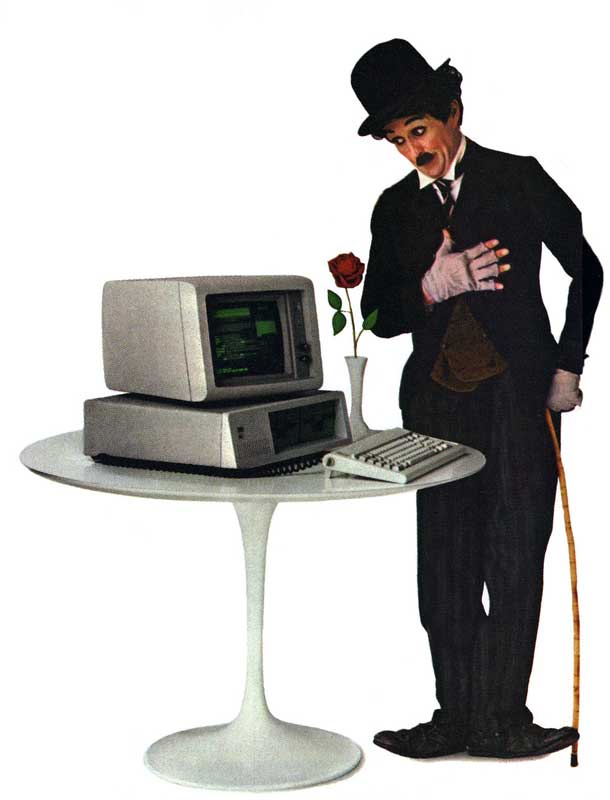
The Mac lacked the applications that dragged the Charlie Chaplin figure across the screen box by box in the IBM’s advertising spot for the PC. Therefore, Guy Kawasaki and other “Software Evangelists” of Apple made an effort to convince the developers of other software companies to write programs for the Mac. The Mac’s ROM, which had been calculated far too narrowly at 128 kilobytes, did not make this a simple task. Not until the “Fat Mac” with 512 kilobytes was launched one year after the first Macintosh had this narrow bottleneck been removed.
The problem came to a head when by the beginning of 1985, the Macs that had not found purchasers during the Christmas sales of 1984 were piling up in storage. Apple had to publish the first quarterly loss in the company’s history and release a fifth of the staff. During a marathon meeting on April 10 and 11, 1985, Apple’s CEO John Sculley demanded to have Steve Jobs relieved of his position as an Apple vice president and general manager of the Macintosh department.
According to Sculley’s wishes, Steve Jobs was to represent the company externally as a new Apple chairman without influencing the core business. As Jobs got wind of these plans to deprive him of his power, he tried to arrange a coup against Sculley on the Apple board. Sculley told the board: “I’m asking Steve to step down and you can back me on it and then I take responsibility for running the company, or we can do nothing and you’re going to find yourselves a new CEO.” The majority of the board backed the ex-Pepsi man and turned away from Steve Jobs.
On May 31, 1985, Jobs lost his responsibilities and was shuffled off to the chairman position. In September, the Apple co-founder left the company with a few people in order to found NeXT Computer. “I feel like somebody just punched me in the stomach and knocked all my wind out. I’m only 30 years old and I want to have a chance to continue creating things. I know I’ve got at least one more great computer in me. And Apple is not going to give me a chance to do that,” Jobs wrote to Mike Markkula on parting. Ten years later, Steve Jobs also commented on his disempowerment with bitterness in the TV documentary “Triumph of the Nerds” (1996):
Excerpt from the TV documentary “Triumph of the Nerds” with Robert Cringley
Jobs: What can I say? I hired the wrong guy. – Question: That was Sculley? Jobs: Yeah and he destroyed everything I spent ten years working for. Starting with me but that wasn’t the saddest part. I would have gladly left Apple if Apple would have turned out like I wanted it to.
Apple’s Heart and Soul
Andy Hertzfeld, one of the Macintosh’s fathers, later recalled the events:
Andy Hertzfeld
The conflict came to a head at the April 10th board meeting. The board thought they could convince Steve to transition back to a product visionary role, but instead he went on the attack and lobbied for Sculley’s removal. After long wrenching discussions with both of them, and extending the meeting to the following day, the board decided in favor of John, instructing him to reorganize the Macintosh division, stripping Steve of all authority. Steve would remain the chairman of Apple, but for the time being, no operating role was defined for him. John didn’t want to implement the reorganization immediately, because he still thought that he could reconcile with Steve, and get him to buy into the changes, achieving a smooth transition with his blessing. But after a brief period of depressed cooperation, Steve started attacking John again, behind the scenes in a variety of ways. I won’t go into the details here, but eventually John had to remove Steve from his management role in the Macintosh division involuntarily. Apple announced Steve’s removal, along with the first quarterly loss in their history as well as significant layoffs, on Friday, May 31, 1985, Fridays being the traditional time for companies to announce bad news. It was surely one of the lowest points of Apple history.
Hertzfeld mourned for Steve Jobs openly: “Apple never recovered from losing Steve. Steve was the heart and soul and driving force. It would be quite a different place today. They lost their soul.” In contrast, Larry Tessler, who had come to Apple from Xerox, refers to mixed reactions of the Apple staff: “People in the company had very mixed feelings about it. Everyone had been terrorized by Steve Jobs at some point or another and so there was a certain relief that the terrorist had gone but on the other hand I think there was an incredible respect for Steve Jobs by the very same people and we were all very worried – what would happen to this company without the visionary, without the founder without the charisma…”
The Sculley Era: From Visionary Disruption to Corporate Precision
The departure of Steve Jobs in 1985 marked a fundamental shift in Apple’s DNA. While the “Jobsian” approach was rooted in creating “insanely great” products regardless of immediate market demand, John Sculley’s leadership transitioned the company toward a market-driven, high-margin business model.
Embracing the “Open” Mac
One of the most significant shifts was the reversal of Jobs’s “closed box” philosophy. Jobs famously insisted that the Macintosh should be a sealed appliance, devoid of expansion slots, to maintain total control over the user experience. Sculley, listening to corporate customers, greenlit the Macintosh II (1987). It featured color graphics and expansion slots. This move was a massive commercial success, as it allowed the Mac to compete with IBM in the high-end workstation market.
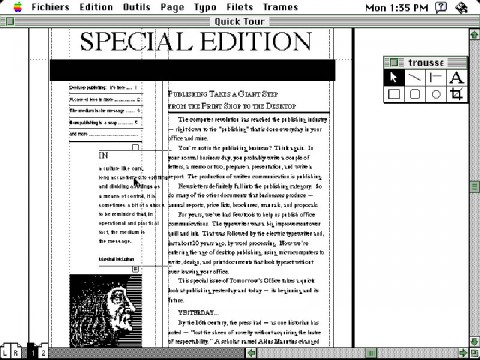
Screenshot of PageMaker 1.0 (french version)
The Desktop Publishing Revolution
Under Sculley, Apple stopped trying to sell the Mac as a general-purpose “appliance for the rest of us” and found its “killer app”: Desktop Publishing (DTP).
By pairing the Macintosh with the LaserWriter printer and Aldus PageMaker software, Sculley targeted a specific niche—graphic designers and publishers. This strategy saved the company, creating a loyal, high-paying user base that allowed Apple to charge premium prices during the late 80s.
Milking the Apple II “Cash Cow”
While Jobs had viewed the Apple II as an obsolete distraction, Sculley recognized it was the company’s financial lifeblood. He continued to iterate on the line (notably the Apple IIGS), using the profits from the aging platform to fund the expensive research and development of future Macintosh models. This pragmatism provided the stability Apple needed to survive the mid-80s tech slump.
The PowerBook Triumph
In 1991, Apple released the PowerBook, arguably the most successful product of the Sculley years. While Jobs’s earlier attempt at a portable (the 1989 Macintosh Portable) was a 16-pound failure, the PowerBook was a masterpiece of industrial design. It introduced the ergonomic layout we still see in laptops today—the keyboard pushed back to provide palm rests and a centered pointing device (the trackball). It captured 40% of the laptop market at its peak.
Strategy by Proliferation (The Downfall)
However, the post-Jobs era also saw the beginning of “product sprawl.” Without Jobs’s obsessive focus, the product line became bloated. Apple began releasing dozens of confusingly named models—Performa, Centris, Quadra—often with nearly identical specs. This led to:
Customer Confusion: It was impossible for a buyer to know which Mac was right for them.-
Inventory Bloat: Managing so many different hardware configurations became a logistical nightmare.
Brand Dilution: Apple started to look like just another PC manufacturer, losing its “special” status.
The Newton: A Visionary Leap Too Soon
Sculley’s final major push was the Apple Newton (MessagePad). He coined the term “Personal Digital Assistant” (PDA) and envisioned a world of handheld computing. However, without Jobs’s perfectionism, the product was launched prematurely. The handwriting recognition—its core feature—was unreliable, turning the device into a punchline in popular culture.
The immediate post-Jobs era was characterized by professionalization. Sculley turned Apple into a highly profitable, organized, and respected corporate entity. However, the cost was the loss of a singular, coherent vision. By the early 1990s, Apple was a company that made great hardware but had lost its way. Even before Microsoft introduced Windows 95, Apple sales were under heavy pressure. In 1993 Sculley had to step down.
Searching for a Strategy of Survival
Michael Spindler, known as “The Diesel” for his work ethic, took the helm after Sculley. His tenure was marked by a desperate attempt to keep Apple relevant in a world increasingly dominated by Microsoft’s Windows. Spindler successfully oversaw the architectural shift from Motorola 68k processors to the PowerPC. While technically impressive, it was an expensive and exhausting transition for developers and users alike. But Spindler made ohne bis mistake: In a move that Steve Jobs would later describe as “selling the soul of the company,” Spindler licensed the Macintosh Operating System to third-party manufacturers (cloners). The goal was to increase market share, but instead, it cannibalized Apple’s own high-margin hardware sales. Michael Spindler resigned as CEO of Apple on January 31, 1996. His departure followed a period of severe financial struggle for the company, including a massive quarterly loss and a failed attempt to sell Apple to Sun Microsystems.
The Amelio Era: 500 Days of Crisis
When Gil Amelio took over in 1996, Apple was hemorrhaging cash. The company was suffering from massive quarterly losses and a bloated product line that lacked any clear direction. Apple’s greatest asset, the Mac OS, was aging rapidly. It lacked modern features like protected memory and multitasking. Amelio realized that Apple could not build a new operating system in-house fast enough (the internal “Copland” project had failed).
Amelio began looking for an external operating system to buy. It is an irony of computer history that Jobs later saved the struggling Apple Computer company. NeXT’s subsequent 1997 buyout by Apple brought Jobs back to the company he co-founded, and he has served as its CEO since then. Jobs did not only save Apple, but revolutionized the world with the iMac, the iPod, the iPhone and the iPad.
Steve Jobs and John Sculley: Not on good terms
In an Interview (June 2010) Sculley credits Jobs for everything Apple has accomplished and still laments the way things turned out. “I haven’t spoken to Steve in 20-odd years,” Sculley told The Daily Beast. “Even though he still doesn’t speak to me, and I expect he never will, I have tremendous admiration for him.”
Sculley said in the interview he accepts responsibility for his role but also believes that Apple’s board should have understood that Jobs needed to be in charge. “My sense is that it probably would never have broken down between Steve and me if we had figured out different roles,” Sculley said. “Maybe he should have been the CEO and I should have been the president. It should have been worked out ahead of time, and that’s one of those things you look to a really good board to do.”
In the end of May 1985, Jobs lost his responsibilities and was demoted to the post of the chairman. In September 1985, the Apple co-founder, left with a handful of people in order to found NeXT Computer. “I’m only 30 years old and I want to have the chance to continue creating things.” Steve Jobs wrote in his farewell to Mike Markkula:
Dear Mike,
This morning’s papers carried suggestions that Apple is considering removing me as Chairman. I don’t know the source of these reports, but they are both misleading to the public and unfair to me.
You will recall that at last Thursday’s board meeting I stated that I had decided to start a new venture, and tendered my resignation as Chairman.
The board declined to accept my resignation and asked me to defer it for a week. I agreed to do so in light of the encouragement the Board offered with regard to the proposed new venture and the indications that Apple would invest in it. On Friday, after I told John Sculley who would be joining me, he confirmed Apple’s willingness to discuss areas of possible collaboration between Apple and my new venture.
Subsequently the Company appears to be adopting a hostile posture toward me and the new venture. Accordingly, I must insist upon the immediate acceptance of resignation. I would hope that in any statement it feels it must issue, the Company will make it clear the decision to resign as Chairman was mine.
I find myself both saddened and perplexed by the management’s conduct in this matter which seems to me contrary to Apple’s best interests. Those interests remain a matter of deep concern to me, both because of my past association with Apple and the substantial investment I retain in it.
I continue to hope that calmer voices within the Company may yet be heard. Some Company representatives have said they fear I will use proprietary Apple technology in my new venture. There is no basis for any such concern. If that concern is the real source of Apple’s hostility to the venture, I can allay it. As you know, the company’s recent reorganization left me with no work to do and no access even to regular management reports. I am but 30 and want still to contribute and achieve.
After what we have accomplished together, I would wish our parting to be both amicable and dignified.
Yours sincerely,
Steven P. Jobs
The reactions of the Apple employees on the de facto sacking of Jobs revealed both sides of him. Andy Hertzfeld, one of the founders of Macintosh, mourned Jobs although he as well had been driven by his crude methods. “Apple never recovered from losing Steve. Steve was the heart and soul and driving force. It would be quite a different place today. They lost their soul.,” said the software developer, who left Apple after Job’s departure and recently grabbed the headlines by designing Google+.
Larry Tesler, who came to Apple from Xerox also openly brought up the dark side of the co-founder: “People in the company had very mixed feelings about it. Everyone had been terrorized by Steve Jobs at some point or another and so there was a certain relief that the terrorist had gone but on the other hand I think there was an incredible respect for Steve Jobs by the very same people and we were all very worried – what would happen to this company without the visionary, without the founder without the charisma… “
In 1985 Jobs sold all but one of his Apple shares, and had around 70 million dollars on his account. By chance he became aware of the sale of the animation department of George Lucas. The Star Wars director had divorced his wife in 1983 and was broke. At least Lucas could no longer afford to put millions of dollars into the innovative but economically not very successful “Graphics Group” of Lucasfilm year after year.
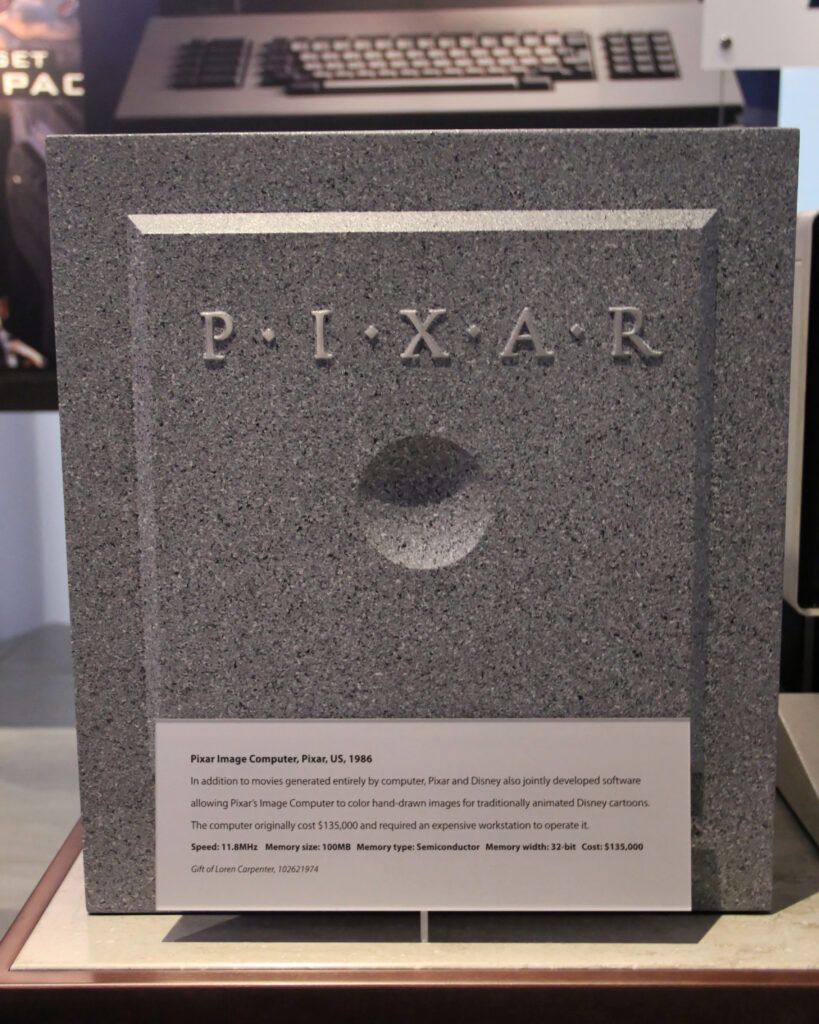
Pixar Image Computer (1986)
Jobs bought the department from Lucas for five million dollars and invested another five million more into the company, which was now named Pixar. While developing the Macintosh, Jobs had taken care of even the smallest detail, and his unwillingness to compromise had repeatedly gotten on the nerves of his employees. At Pixar, however, he gave much freedom to his management department. But initially, this freedom did not pay off. Sales of the core product, the Pixar Image Computer used for the animation of film sequences, were slow. But the short films of genius Pixar employee, John Lasseter, received one award after the other, even though the film strips were only meant to demonstrate the performance of Pixar’s hardware. For that reason, in the early nineties Pixar focused on the movies themselves and no longer on the hardware.
Becoming a billionaire with ”Toy Story”
The breakthrough was made by Lasseter’s team with the computer-animated cartoon “Toy Story”, which Pixar got produced for Disney. With a production budget of $30 million, the cartoon brought over 360 million dollars at the box office and in the secondary market. On 29th of November 1995, shortly after the release of “Toy Story”, Pixar went public.
Jobs’ new computer company NeXT had a very different structure than Pixar, as it was fully focused on the boss. Here Jobs wanted to create a computer he was not allowed to build at Apple. When the cash reserves ran low and still no product was in sight, he coaxed 20 million dollars out of multi-millionaire Ross Perot to build a modern factory for the production of NeXT. He commissioned the legendary designer Paul Rand, who had previously designed the IBM logo, to design a NeXT logo, and the German designer Hartmut Esslinger created the legendary black cube housing. Steve Jobs took care of details that could hardly be communicated to his employees.
For example, he demanded that the screws for the computer got an expensive coating and that the matt black paint was applied on the inside of the body as well, although the user would never get to see this. “He was not familiar with compromise,” said Esslinger. Anyone who tried a NeXT cube was usually enthusiastic about it. But the price of $6,500 for the NeXT cube was still too much for most of the potential clients. There was also at that time very little software available for this powerful workstation so that a total of only about 50,000 systems were sold. Therefore, similar to the first Macintosh, Jobs found only few buyers for his expensive hardware. Nevertheless, among the European users of NeXT was the British scientist Tim Berners-Lee, who developed the concept of the World Wide Web and the first browser on a black NeXT cube at the CERN Research Center in Geneva.
During this time, Archibald Horlitz, head of Germany’s largest Apple retailer Gravis, met Steve Jobs. Horlitz had heard about the new project and during a trip to California spontaneously knocked on the door of NeXT, in order to have the system demonstrated by the head of the company himself. “Steve Jobs had several facets. If he wanted something, he could be one of the most charming people in the world,” recalls Horlitz. “I’ve heard from a colleague at NeXT, how typical interviews were carried out. He took the people literally into his arms and went with them for one or two hours around the Stanford campus.
“When they came back, they were enlightened and could imagine nothing better than to work for him.” In this way Jobs could retain a great number of big talents such as Avie Tevanian or Scott Forstall. But there was no sign of NeXT’s economic recovery. The company burned through an alarming amount of money and Jobs financial reserves (before Pixar’s initial public offering) were slowly running out. In 1993 he put on the emergency brake at NeXT, fired many employees, and stopped the hardware production. From that moment on, NeXT focused solely on the software development. And, it sounds like a staircase wit of history: Through this strategic decision, Steve Jobs came back into the game at his first company Apple.
In the mid-nineties, Apple was in the worst possible condition. In the late eighties and early nineties, John Sculley had indeed been successful in the publishing industry. Products such as the PowerBook family boosted sales for some time, but with the Macintosh, Apple never managed to approach the sales figures of Microsoft, the manufacturer of IBM-compatible PCs with the DOS operating system. When the Mac was launched in 1984, Bill Gates had publicly praised Apple computers as an innovative PC platform.
But behind the back of Steve Jobs, the founder of Microsoft went about stealing the ideas of Macintosh for his Windows system. Jobs got wind of it and put Gates angrily to task: “You’re ripping us off!” he shouted. “I trusted you, and now you’re stealing from us!” The Microsoft boss just sat there coolly, looking Steve in the eye, before hurling back, in his squeaky voice. “Well, Steve, I think there’s more than one way of looking at it. I think it’s more like we both had this rich neighbor named Xerox and I broke into his house to steal the TV set and found out that you had already stolen it.”
After the departure of Jobs, even Sculley was not able to prevent Microsoft from constantly developing the Windows system and step by step adopting details from the Mac’s graphical user interface in to their software. Apple was vulnerable to blackmail, as Microsoft made important applications for the Mac. After Bill Gates had threatened to discontinue the development of Microsoft Office for Mac if Apple acted against Windows, Apple’s CEO licensed certain elements of the Mac GUI to the competitor from Redmond in 1986. Sculley had to look on helplessly as the Microsoft Company shamelessly shifted agreement limits in their favor with each new version of Windows.
Even Apple’s lawsuit in 1988 could not stop the software giant. In 1992, the court ruled that Apple could not claim any copyright on the graphical user interface or protect the idea of the virtual desktop as a patent. Apple ultimately failed in stopping Windows from copying at the US Supreme Court in 1994. Declining revenues and increased difficulties in the development department of aggravated the sense of crisis at Apple. In June 1993, the management board of Apple lost patience.
Around this time Steve Jobs was asked in an oral history interview about the shape of Apple. Jobs didn’t blame Microsoft for the crisis but only John Sculley and his team:
When I left Apple it was a two billion dollar company. We were Fortune 300 and something. We were 350. When the Mac was introduced we were a billion dollar corporation; so Apple grew from nothing to two billion dollars while I was there. That’s a pretty high growth rate. It grew five times since I left basically on the back of the Macintosh. I think what’s happened since I left in terms of growth rate has been trivial compared with what it was like when I was there. What ruined Apple wasn’t growth. What ruined Apple was values. John Sculley ruined Apple and he ruined it by bringing a set of values to the top of Apple which were corrupt and corrupted some of the top people who were there, drove out some of the ones who were not corruptible, and brought in more corrupt ones and paid themselves collectively tens of millions of dollars and cared more about their own glory and wealth than they did about what built Apple in the first place–which was making great computers for people to use. They didn’t care about that anymore. They didn’t have a clue about how to do it and they didn’t take any time to find out because that’s not what they cared about. They cared about making a lot of money so they had this wonderful thing that a lot of brilliant people made called the Macintosh and they got very greedy and instead of following the original trajectory of the original vision–which was to make this thing an appliance, to get this out there to as many people as possible–they went for profits and they made outlandish profits for about four years. Apple was one of the most profitable companies in America for about four years.
What that cost them was the future. What they should have been doing was making reasonable profits and going for market share, which was what we always tried to do. Macintosh would have had a thirty- three percent market share right now, maybe even higher, maybe it would have even been Microsoft but we’ll never know. Now its got a single digit market share and falling. There’s no way to ever get that moment in time back. The Macintosh will die in another few years and its really sad. The problem is this: no one at Apple has a clue as to how to create the next Macintosh because no one running any part of Apple was there when the Macintosh was made–or any other product at Apple. They’ve just been living off that one thing now for over a decade and the last attempt was the Newton and you know what happened to that. It’s kind of tragic, but as unemotionally as I can be, that’s what’s happening. Unless somebody pulls a rabbit out of a hat, companies tend to have long glide slopes because of the installed bases. But Apple is just gliding down this slope and they’re loosing market share every year. Things start to spiral down once you get under a certain threshold. And when developers no longer write applications for your computer, that’s when it really starts to fall apart.
“The Diesel” – Michael Spindler
The Apple board at this point really had no clue how to save the company. They replaced Sculley by the German-born manager Michael Spindler, who was very experienced in sales and distribution for Europe. “The diesel” was an effective manager, but he lacked any inspiration. Neither could he get Apple out of the current crisis nor even succeed in selling the company to interested parties such as IBM, Sun Microsystems, or Philips. After a year and half, Spindler was replaced by the restructuring expert Gil Amelio. In 1996, a year after the successful launch of Windows 95, Amelio, above all, had to deal with the question about the future of the operating system, since Apple’s internal Copland project had failed spectacularly. There was a choice between BeOS of the former Apple manager Jean-Louis Gassée, and Steve Jobs’ system NeXTStep. Many myths surround the decision made in favor of Jobs which are still difficult to unravel today.
BeOS finally lost the race. In February 1997, Apple paid just under 430 million dollars for NeXT and the know-how of the company. Bill Gates only had to spare scorn and ridicule for the change in direction at Apple. “Do you really think Steve Jobs has anything there?” Gates asked the still reigning Apple CEO Amelio. “I know his technology, it’s nothing but a warmed-over UNIX, and you’ll never be able to make it work on your machines.” (…) “What the hell are you buying that garbage for?” Gates did not take NextStep for a serious rival. He suspected already that it was not just about a new operating system, but a coup that would bring Steve Jobs back in charge at Apple. Five months later, Amelio was actually fired from the board of directors. And in September 1997, Jobs took over the post of an interim CEO. At that time, Apple was about 90 days away from bankruptcy.
By the summer of 1997, Apple Computer was not just a company in trouble; it was a corporate casualty in waiting. The “Bleeding in Colors” era was nearly over, and the red ink was flowing much faster than the rainbow-colored logos could mask. When Steve Jobs returned to the company he co-founded, he didn’t just bring a new strategy—he brought a surgical saw and a surprising olive branch extended toward Redmond.
The Boston Massacre: A Giant Screen and a Chorus of Boos
The scene at the 1997 MacWorld Expo in Boston remains one of the most surreal moments in technological history. Steve Jobs, standing on stage in his trademark casual attire, addressed a crowd of Apple faithful who lived and breathed a singular doctrine: Microsoft is the enemy. Then, the unthinkable happened. Bill Gates’ face appeared on a colossal video screen, looming over Jobs like a digital Big Brother. The announcement was a bombshell: Microsoft would invest $150 million in non-voting Apple stock and, more importantly, commit to developing Microsoft Office for the Mac for at least five years.
The reaction was visceral. Boos echoed through the hall, a mixture of betrayal and shock. But Jobs, ever the pragmatist disguised as a visionary, silenced the crowd with a cold dose of reality. “If we want to move forward and see Apple healthy again, we have to let go of a few things here,” he famously stated. “We have to let go of this notion that for Apple to win, Microsoft has to lose.” It was a masterclass in ego-management. Jobs knew that without the industry standard—Office—the Macintosh was a creative island with no bridge to the business world. He wasn’t just taking Gates’ money; he was buying Apple the time it needed to breathe.
The Great Purge: Killing the Clones and the Newton
Once the financial lifeline was secured, Jobs turned his attention inward with a ferocity that stunned the remaining executive suite. He wasn’t interested in consensus; he was interested in survival. He ruthlessly “cleaned up” the management tiers, firing those he deemed “losers” or “rip-off artists” who had allowed the company to drift into a sea of mediocrity.
His first victims were the projects and agreements that he felt diluted the Apple brand. He famously “killed” the Newton, John Sculley’s ambitious handheld PDA, despite its cult following. To Jobs, the Newton—with its clunky stylus and struggling handwriting recognition—was a distraction from the core mission. Next, he tore up the agreements with manufacturers of Macintosh clones. While previous CEOs thought licensing the MacOS would increase market share, Jobs saw only one thing: cheap, ugly hardware cannibalizing Apple’s high-end sales. By killing the clones, he reclaimed total control over the user experience.
90 Days from Death: The “Miraculous” Remnant
The gravity of the situation was even worse than the public realized. Years later, at the 2010 D8 conference, Jobs admitted that upon his return, Apple was roughly 90 days away from total bankruptcy. The coffers were empty, and the product line was a convoluted mess of numbered Performa and Quadra models that even the sales staff couldn’t explain.
Yet, amidst the wreckage, Jobs found a spark of hope. He expected the “good people” to have fled the sinking ship long ago. Instead, he discovered a core group of engineers and designers who stayed not for the stock options—which were underwater—but for the mission. When he asked them why they remained, they gave him a phrase that would become part of Apple lore: “Because I bleed in colors.” They were the true believers in the original six-colored Apple ethos, waiting for a leader who cared about the “insanely great” rather than just the quarterly balance sheet.
The Discovery of Jony Ive: From Frustration to Future
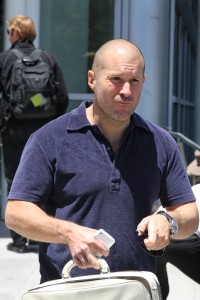
Among those frustrated geniuses was a 30-year-old Briton named Jony Ive. Having joined Apple in 1992, Ive had spent years being ignored by a succession of CEOs—Sculley, Spindler, and Amelio—who viewed design as an afterthought, a “veneer” to be slapped onto a beige box at the end of production. Ive was so disillusioned by the company’s focus on profit maximization that he reportedly had his resignation letter in his pocket when Jobs visited the design studio.
The meeting changed history. Jobs didn’t see design as a department; he saw it as the soul of the product. When Jobs announced that the goal was no longer “just to make money, but to make great products,” Ive realized he had finally found his kindred spirit. Jobs recognized Ive’s undiscovered brilliance, and together they began a partnership that would eventually produce the iMac, the iPod, and the iPhone.
By stabilizing the ship with Microsoft’s capital and refocusing the culture on design excellence, Jobs didn’t just save Apple—he set the stage for the most remarkable corporate turnaround in history. The “archenemy” had provided the ladder, but it was Jobs and his “miraculous” team who climbed it to reach the stars.
he Antitrust Insurance: Why Gates Needed Apple to Live
While the Apple community viewed the $150 million investment as an act of mercy, Bill Gates was playing a much larger game of chess. In 1997, Microsoft was the undisputed titan of the tech world, but it was also a company under heavy fire. The U.S. Department of Justice was circling Redmond with a massive antitrust investigation, accusing Microsoft of maintaining an illegal monopoly in the PC operating system market.
For Gates, the death of Apple would have been a PR and legal disaster. If his only viable competitor vanished, the calls to break Microsoft into smaller pieces would have become deafening. By propping up Apple, Gates bought himself “antitrust insurance.” He could point to a healthy, revitalized rival in Cupertino as proof that the market was still competitive. Furthermore, the deal included a crucial provision: Apple agreed to make Internet Explorer the default browser on the Mac, effectively giving Microsoft a decisive edge in the “Browser Wars” against Netscape. It was a win-win; Jobs got his capital, and Gates got a shield against the regulators and a foothold in the emerging web market.
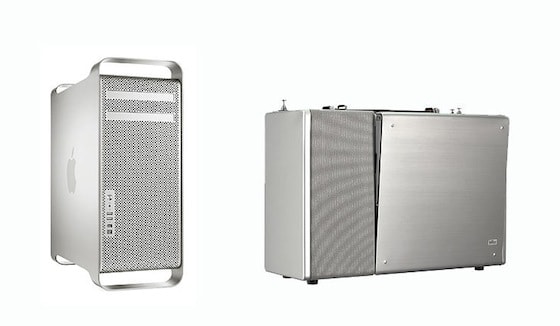
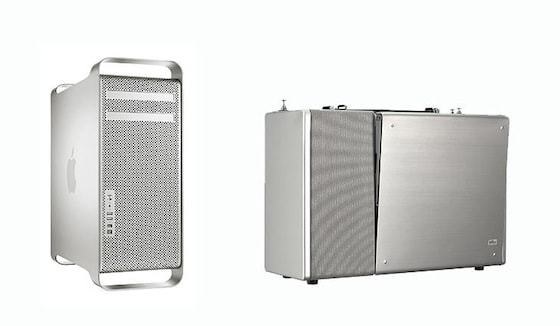
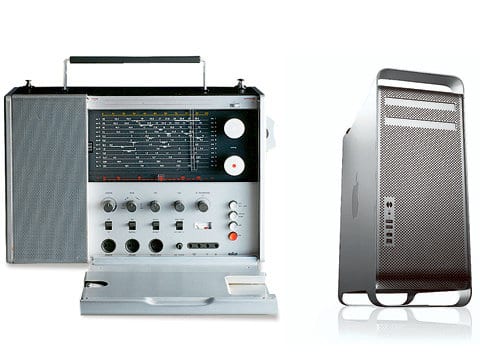
Apple designer Jony Ive brought to Apple the ideas of the German industrial designer Dieter Rams, who had developed key stylistic elements while working for the electric equipment manufacturer Braun. “Less is more” – Rams’ policy became then the design credo of Jony Ive and Steve Jobs. With the first iMac G3, Ive converted the typical beige PC box into a semitransparent, candy-like design statement. With the PowerBook made of Titanium and Aluminum and the PowerMac G5, Ive paid homage to his role model Dieter Rams, who had designed a similar-looking aluminum case for the legendary World Receiver T1000 as early as in 1963.
The design of the PowerMac G5 was inspired by the famous Braun radio T1000Braun Radio T1000 (1967) – Apple PowerMac G5 / Mac Pro (2003)
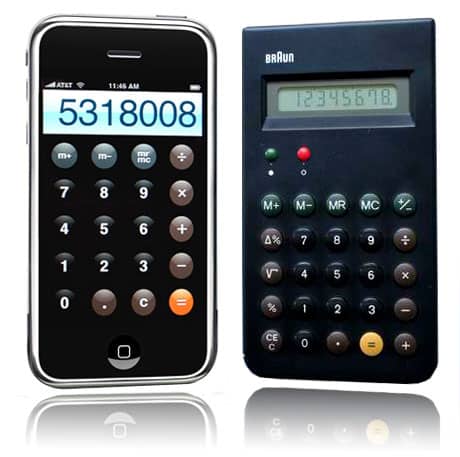
In 2007, the first iPhone was created, and the calculator app on the first iPhone was nothing else than a copy of the ET44 calculator body, which Rams had designed for Braun 20 years ago.
Even more serious consequences for Apple and the industry came with the next major project, which was developed under the code name “Purple 2”. Shortly after the presentation of the first iPod, the Apple leadership dealt with the question of whether Apple should launch a (mobile) phone. In a secret operation, a development group was founded, which remained largely unknown within the company. As part of secret work on a predecessor of the iPad, the engineers in Cupertino had built up a considerable knowledge of touch-screen technology that could be transferred to a smaller screen.
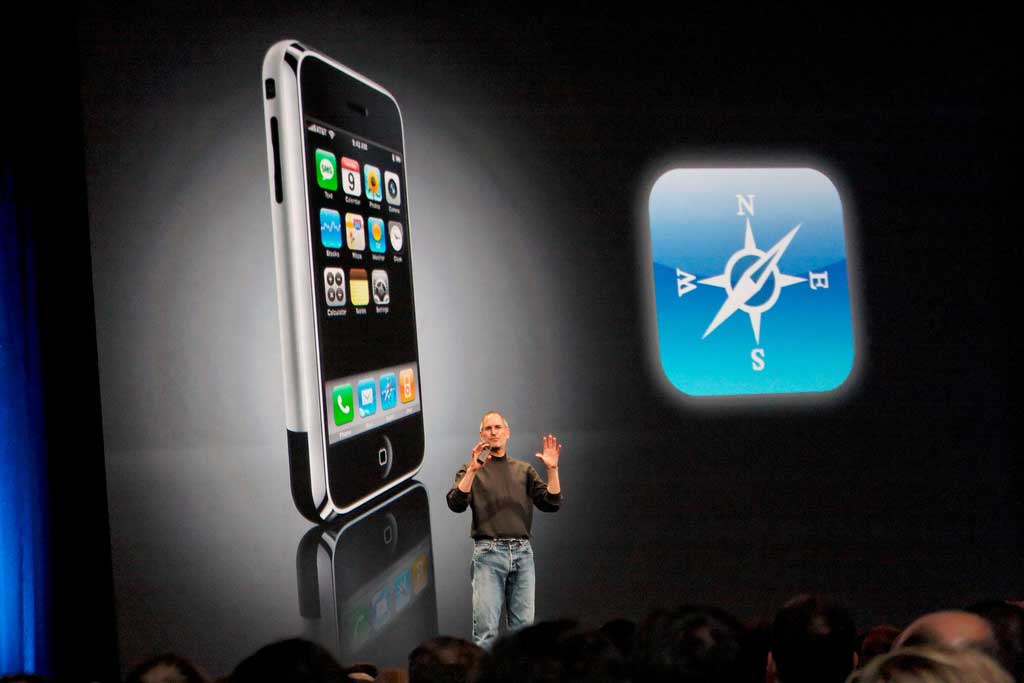
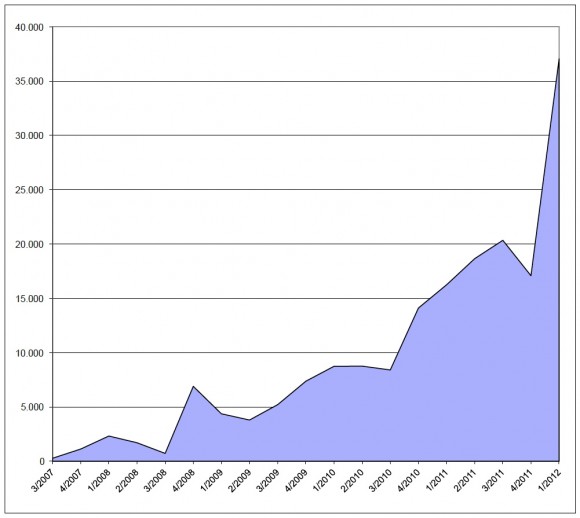
Moreover, a microprocessor ARM11 chip, which could provide sufficient power for complex smart phone applications, finally came on the market. As of 2005, the Apple smartphone designed by Jony Ive gradually materialized. At the MacWorld Expo in January 2007, Steve Jobs boasted, “Today, we’re introducing three revolutionary products of this class. The first one is a widescreen iPod with touch controls. The second is a revolutionary mobile phone. And the third is a breakthrough Internet communications device.” Jobs repeated this list many times until it began to dawn on even the last visitor at the Moscone Center what he meant: “These are not three separate devices – this is one device… and we are calling it iPhone!” The old archrivals from Microsoft attempted to ridicule Apple’s advance. “It’s the most expensive mobile phone in the world,” barked Microsoft CEO Steve Ballmer in a TV interview. “The business customer will reject it because it has no keyboard.” Ballmer was very much mistaken. By the end of the first fiscal quarter 2012 (end of December 2011), Apple had sold 183 million iPhones.
Sales figures Apple iPhone
Only Google could keep up with the iPhone, thanks to its Google Android mobile operating system. Until his death Steve Jobs was convinced that the success of Android was only possible because of a betrayal of the long-standing Google boss Eric Schmidt. Between 2006 and 2009, Schmidt was on the Apple Board, where he had seen the development of the iPad and iPhone. His obligations to Apple did not prevent him from pushing Google to develop a competing system. Only when his conflict of interest became very obvious, Schmidt resigned from the Apple board. In January 2010, when the Taiwanese company HTC introduced a new Android-powered smartphone, which dominated many of iPhone’s features, Jobs became furious. “Our lawsuit is saying, “Google, you fucking ripped off the iPhone, wholesale ripped us off. Grand theft. I will spend my last dying breath if I need to, and I will spend every penny of Apple’s $40 billion in the bank, to right this wrong,” said Jobs to book author Isaacson. “I’m going to destroy Android, because it’s a stolen product. I’m willing to go to thermonuclear war on this. They are scared to death, because they know they are guilty.” Apple and many Android OEMs like Samsung and HTC have been fighting for months in court. Despite victories in some points, Apple was not able to stop the winning run of Android. Jobs could take comfort in the fact that two-thirds of the profits of the entire smartphone industry are noted in the books of Apple, and other manufacturers excluding Samsung, are financially getting nowhere.
Steve Jobs had put the first stages of his personal suffering already behind him when he presented the first iPhone in January 2007. In October 2003 he was diagnosed with cancer, which for months he initially wanted to combat without methods of conventional medicine. Finally end of July 2004, he underwent an operation to have a tumor removed from his pancreas. While in the summer of 2007, at the sales launch of the first iPhone, Jobs again seemed quite well, one year later he appeared at the developer conference WWDC 2008, looking decidedly thinner. In early 2009 he retired from public life and underwent a liver transplant.
He returned to the stage two more times, to present both the first and second iPad. It must have been a big victory for Jobs that under his leadership Apple brought a digital tablet to the market, which at the same time established a new device category. His old adversary Bill Gates had presented tablet PCs on shows such as CES over the past ten years, but the devices were too complicated to use, too expensive and flawed, so nobody bought them. At his last public appearance, Steve Jobs fought for a building permit before Cupertino City council for the futuristic new Apple Campus 2, which was designed by British architect Norman Foster.
Over the next few years, a monument of a giant circular building will emerge, as Silicon Valley has not yet seen. For Steve Jobs it was not only about converting his legacy into glass, steel and concrete and making it visible for future generations. The most important “product” on which he worked during the past few years, was Apple itself. For Freddie Geier, who worked for Apple in California and managed the operations of Apple Germany and Central Europe for almost two years, Steve Jobs was an “infinite source of inspiration, a visionary and a genius.” “He was the God of style who could make things beautiful and simple and provide products with emotion at the same time”
Jony Ive at WWDC 2010
At the end, the products always benefited from Jobs’ perfectionism. Under the motto “think different”, he succeeded in finding new ways and celebrating the presentation of secret developments in a masterly manner. It was clear to Jobs that there was nobody in the company who was able to take over all these challenges alone. During the past years, he therefore set up a management team and distributed the heavy burden on the shoulders of several successors. Apple CEO Tim Cook is responsible for ensuring that the company works logistically and is making money. During the memorial service for Steve Jobs at the Apple campus in Cupertino, Cook radiated sovereignty and authority, which is now expected from him by the Apple employees, customers and shareholders.
Tim Cook said Jobs had told him that Apple employees, should not ask what he would have done. “Just do what’s right.” He had seen Disney going into crisis after the death of founder Walt Disney, where “everyone spent all their time thinking and talking about what Walt would do.” In the future, the soul of Apple will probably be represented by Jony Ive. The chief designer has to guarantee that Apple will continue to bring products to market, which are desirable solely because of their elegant appearance.
Meanwhile, rumors have also vanished that the Briton was homesick for the UK, – among others because he saw his twin sons in better hands there. His poised presence at the funeral service, with which he freed himself from his (superior) father Steve Jobs, has not only moved the people on the campus. Jony Ive is also trusted to preserve the high level of Apple’s designs without yelling and strong criticism of the employees.
Scott Forstall
The software expert Scott Forstall will also take a key role in the management team of Apple. Steve Jobs took him in 1992 from Stanford University to NeXT. In 1997 Forstall followed his boss to Apple. He is now responsible for the iOS platform.
“Scott is a gifted genius like Steve. He is in love with every detail, too,” says a former Apple manager. But like Jobs, Forstall is also often difficult and maintained a catastrophic communication culture. The Bloomberg Business Week called Forstall the ” Sorcerer’s Apprentice at Apple” and quoted former Apple software developer Mike Lee: “I once referred to Scott as Apple’s chief a–hole. And I didn’t mean it as a criticism. I meant it as a compliment. You could say the same thing about Steve Jobs.” In such an area of tension, Tim Cook will have the task of softening Forstall’s emotional outbursts and call his younger fellow board member to reason.
In the fine adjustment of the tasks on the management level, Cook, Ive, Forstall, as well as marketing chiefs Phil Schiller and Eddy Cue, who are responsible for the iCloud line at Apple, can count on help: In the end of 2008, seriously ill Steve Jobs lured away the management professor Joel M. Podolny, Dean of the elite Yale School of Management, to found an in-house university at Apple. “Steve was looking to his legacy. The idea was to take what is unique about Apple and create a forum that can impart that DNA to future generations of Apple employees,” said an employee to the “Los Angeles Times”. “No other company has a university charged with probing so deeply into the roots of what makes the company so successful.”
After all, Podolny had almost three years of direct experience with Steve Jobs. Whether and how he will succeed to transfer Steve Jobs’ success formula to future generations of managers from Apple is yet to be seen. ” While there are many great companies, I cannot think of one that has had as tremendous personal meaning for me as Apple.” Podolny wrote in his goodbye to his Yale students. Steve Jobs advised his successors to rely on their own intuition and not on market research.
Steve Jobs quoted Henry Ford, who reportedly said, “If I had asked people what they wanted, they would have said faster horses.” Jobs said, people don’t know what they want until you show it to them. “That’s why I never rely on market research. Our task is to read things that are not yet on the page.”
Update: Oct. 29, 2012:
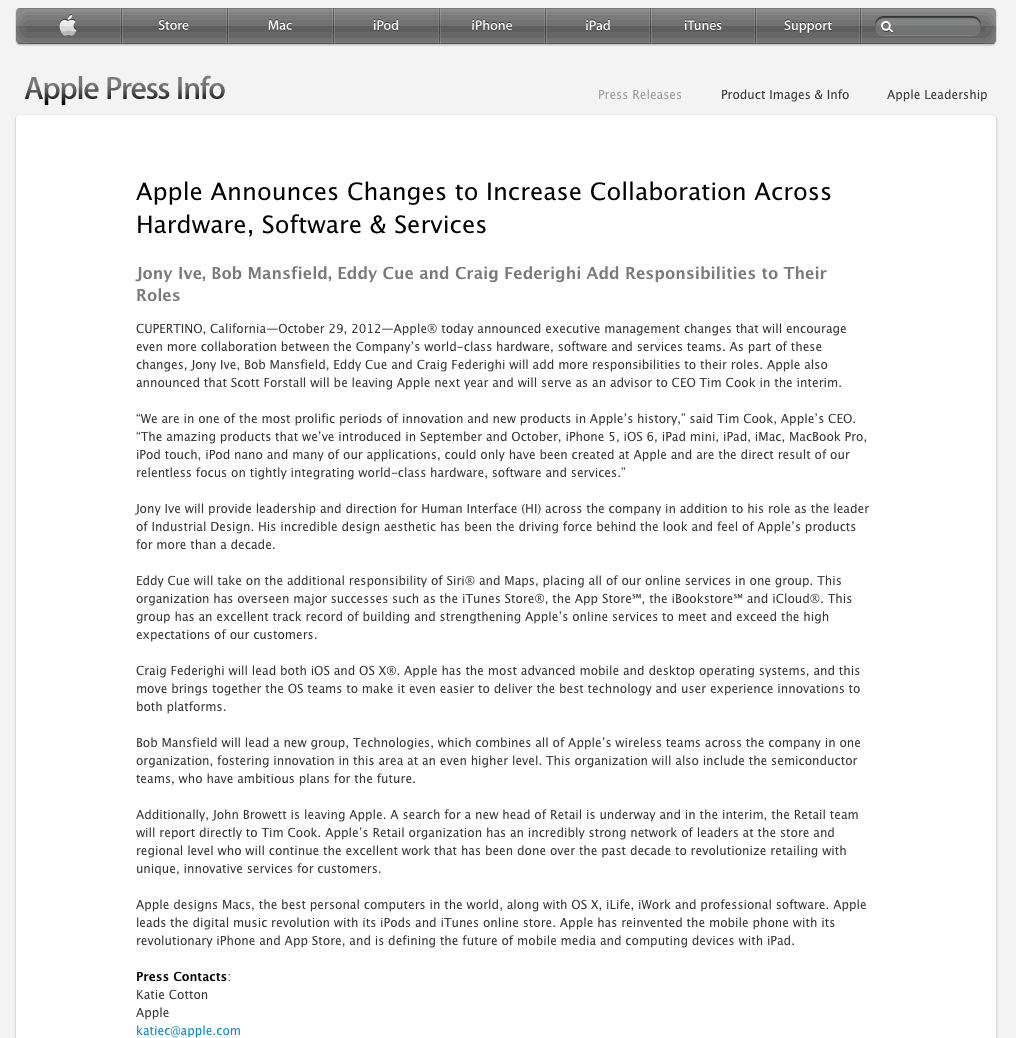
Apple announces that Scott Forstall, vice president of iOS software, and John Browett, head of retail, are out. Memo cites need for more collaborative environment. Bob Mansfield un-retires and returns to company.
The Hammer That Shattered the Monolith: How 60 Seconds Defined the Apple Mythos
It is January 22, 1984. Inside Tampa Stadium, Super Bowl XVIII is in full swing. The Los Angeles Raiders are systematically dismantling the Washington Redskins. But during a break in the third quarter, the game becomes a footnote. For 60 seconds, nearly 100 million Americans are pulled away from the grass and grit into a dystopian nightmare—and then shown a glimpse of a digital revolution.
This wasn’t just a commercial. It was a cinematic manifesto directed by Ridley Scott, a man who had just finished reshaping science fiction with Blade Runner.
The Aesthetic of the Abyss
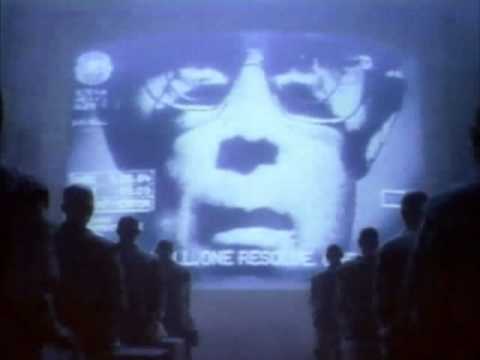
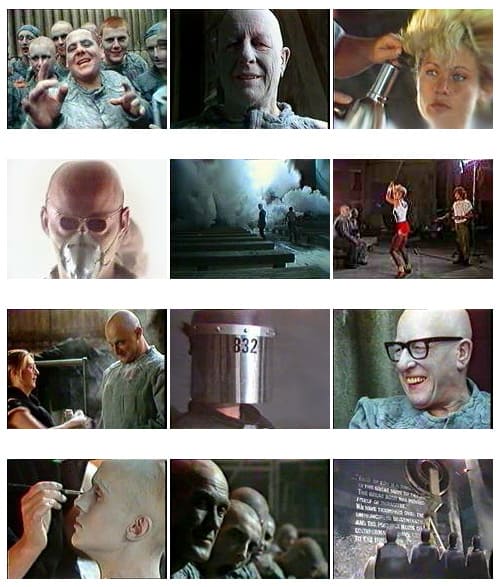
The spot opens on a monochrome, ash-colored world. Rows of hollow-eyed men, their heads shaved and spirits broken, march in lockstep through industrial corridors. They gather in a cold hall before a towering screen where a bespectacled “Big Brother”—a thinly veiled avatar for the then-dominant IBM—drones on about the “unification of thoughts.”
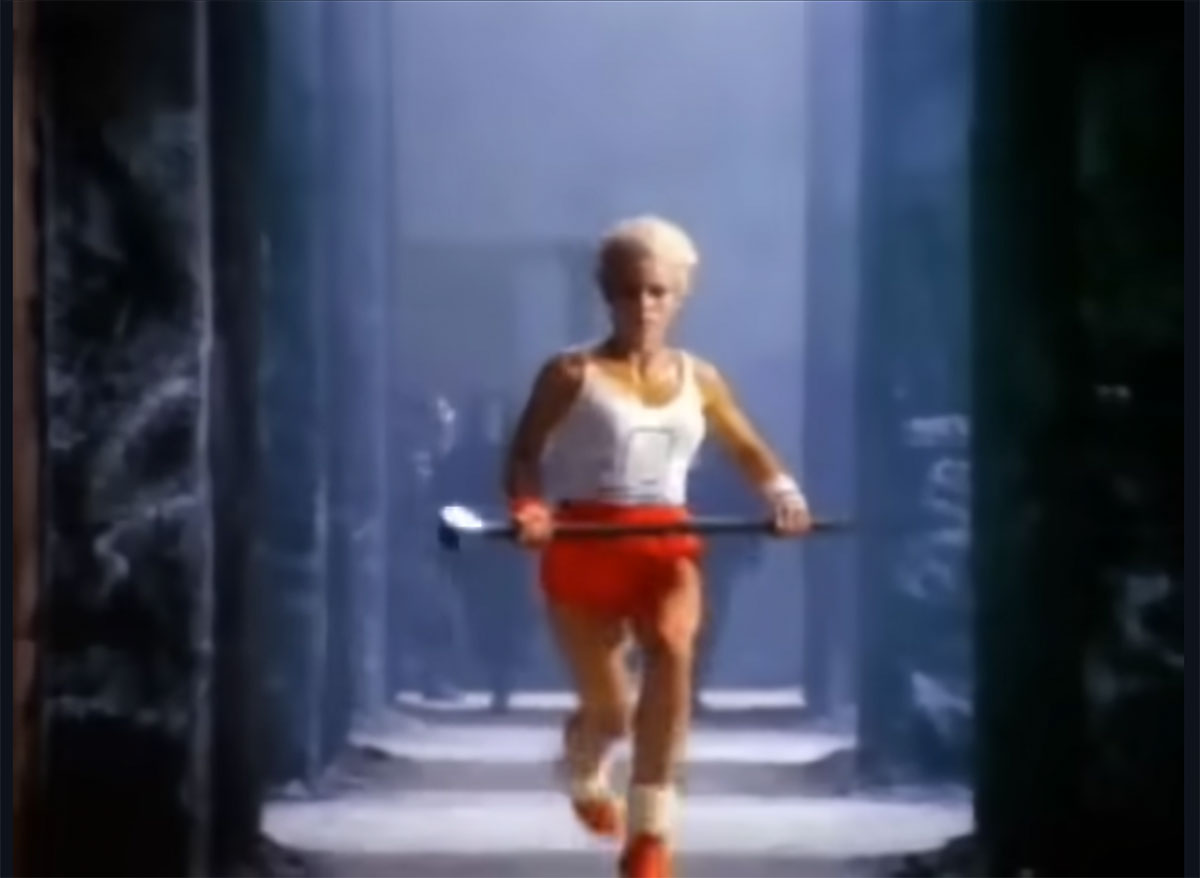
Then, a flash of color breaks the gray. A young woman (played by British athlete Anya Major) sprints toward the screen, pursued by riot police. She wears bright orange shorts and a white tank top emblazoned with a line drawing of a computer. In her hands, she swings a heavy sledgehammer with the grace of an Olympian. As she releases the hammer, it sails through the air and crashes directly into the face of the tyrant.
The screen explodes in a blinding white light. A voiceover—and a simple scroll of text—delivers the finishing blow: “On January 24th, Apple Computer will introduce Macintosh. And you’ll see why 1984 won’t be like ‘1984’.”
Corporate Cold Feet: The Board vs. The Visionaries
Today, the “1984” ad is heralded as the greatest commercial of all time. Yet, it almost never aired.
The backstory is a corporate thriller. The agency Chiat/Day had crafted the concept, and Steve Jobs was immediately electrified by it. He wanted a “thunderclap.” However, when the finished film was screened for Apple’s board of directors in December 1983, the reaction was icy silence.
Mike Markkula, Apple’s chairman and major investor, was horrified. “This is the worst ad I’ve ever seen. Who wants to fire the agency?” he reportedly asked. The board ordered CEO John Sculley to sell back the expensive Super Bowl airtime they had already purchased.
Wozniak’s Act of Rebellion
Steve Jobs, refusing to see his masterpiece buried, showed the spot to co-founder Steve Wozniak. “Woz” was so blown away that he offered to pay for half of the airtime out of his own pocket if the board refused to budge. “If Apple won’t run it, I’ll pay $400,000 and you pay $400,000,” Wozniak told Jobs.
In the end, it was a mix of chutzpah and luck: Chiat/Day claimed they couldn’t find a buyer for the 60-second slot in time. With the slot already paid for and no one to take it, Apple was forced to run the ad.
Skinheads and Discus Throws: The Making of a Legend
Ridley Scott’s production was grueling and authentic. Filmed at Shepperton Studios in London, Scott didn’t hire standard extras. To achieve the look of a true oppressed proletariat, he hired actual London skinheads for a pittance and the promise of a free lunch. The atmosphere on set was reportedly tense, with the extras’ rowdy behavior adding a layer of genuine grit to the film.
The choice of Anya Major for the lead role was a stroke of casting genius. Many models had auditioned, but most couldn’t even swing the hammer while running. Major was an experienced discus thrower; she had the muscle memory and the athletic form to hurl the sledgehammer with deadly precision.
The Legacy: When Advertising Became Art
The impact the next morning was unprecedented. News stations didn’t just talk about the ad; they replayed it in its entirety during their broadcasts. Apple generated over $5 million in free publicity. Overnight, the Macintosh became more than a piece of hardware; it became a symbol of individuality and freedom.
“1984” marked the moment advertising stopped merely explaining products and started creating myths. It was the birth of Apple as a lifestyle brand and Steve Jobs as the high priest of the digital counter-culture.
There is a modern irony to the story: today, critics often point at Apple’s massive market cap and closed ecosystem, suggesting the company has become the very “Big Brother” it once vowed to destroy. Regardless of the politics, the 60-second storm Ridley Scott and Steve Jobs unleashed remains a masterclass in storytelling—a hammer throw that changed the cultural trajectory of technology forever.
The commercial was rebroadcast in an updated version in 2004 on its 20th anniversary, with the heroine modified to be listening to an iPod. Viewers generally saw the Big Brother target of the Apple advertisement as being Microsoft, with the original villain, IBM, being all but forgotten.
Making of the Apple Ad 1984
Apple commercial “1984”: The Plot
The commercial opens with a dystopic, industrial setting in blue and gray tones, showing a line of people (of ambiguous gender) marching in unison through a long tunnel monitored by a string of telescreens. This is in sharp contrast to the full-color shots of the nameless runner (Anya Major). She looks like an Olympic track and field athlete, as she is carrying a large brass-headed hammer and is wearing an athletic “uniform” (bright orange athletic shorts, running shoes, a white tank top with a cubist picture of Apple’s Macintosh computer, a white sweat band on her left wrist, and a red one on her right).
As she is chased by four police officers (presumably agents of the Thought Police) wearing black uniforms, protected by riot gear, helmets with visors covering their faces, and armed with large night sticks, she races towards a large screen with the image of a Big Brother-like figure (David Graham, also seen on the telescreens earlier) giving a speech:
My friends, each of you is a single cell in the great body of the State. And today, that great body has purged itself of parasites. We have triumphed over the unprincipled dissemination of facts. The thugs and wreckers have been cast out. And the poisonous weeds of disinformation have been consigned to the dustbin of history. Let each and every cell rejoice! For today we celebrate the first, glorious anniversary of the Information Purification Directive! We have created, for the first time in all history, a garden of pure ideology. Where each worker may bloom secure from the pests purveying contradictory truths. Our Unification of Thoughts is more powerful a weapon than any fleet or army on earth. We are one people, with one will, one resolve, one cause. Our enemies shall talk themselves to death and we will bury them with their own confusion. We shall prevail!
The runner, now close to the screen, hurls the hammer towards it, right at the moment Big Brother announces, “we shall prevail!” In a flurry of light and smoke, the screen is destroyed, shocking the people watching the screen. The commercial concludes with a portentous voiceover, accompanied by scrolling black text (in Apple’s early signature “Garamond” font); the hazy, whitish-blue aftermath of the cataclysmic event serves as the background. It reads:
On January 24th, Apple Computer will introduce Macintosh. And you’ll see why 1984 won’t be like “1984.
The screen fades to black as the voiceover ends, and the rainbow Apple logo appears.
Apple commercial “1984”: The Production
Development
The commercial was created by the advertising agency Chiat/Day, Venice, with copy by Steve Hayden, art direction by Brent Thomas and creative direction by Lee Clow. Ridley Scott (whose dystopian sci-fi film, Blade Runner was released two years prior) was hired by agency producer Richard O’Neill to direct it, with a then-“unheard-of production budget of $900,000.” The actors who appeared in the commercial were paid $25 per day.
Steve Jobs and John Sculley were so enthusiastic about the final product that they “…purchased one and a half minutes of ad time for the Super Bowl, annually the most-watched television program in America. In December 1983 they screened the commercial for the Apple Board of Directors. To Jobs’ and Sculley’s surprise, the entire board hated the commercial.” However, Scully himself got “cold feet” and asked Chiat/Day to sell off the two commercial spots.
Despite the board’s dislike of the film, Steve Jobs continued to support it. Steve Wozniak watched it and offered to pay for half of the spot personally if the board refused to air it.
Of the original ninety seconds booked, Chiat/Day managed to resell thirty seconds to another advertiser, leaving the other sixty second slot.
Let’s see – an all-powerful entity blathering on about Unification of Thoughts to an army of soulless drones, only to be brought down by a plucky, Apple-esque underdog. So Big Brother, the villain from Apple’s ‘1984’ Mac ad, represented IBM, right? According to the ad’s creators, that’s not exactly the case. The original concept was to show the fight for the control of computer technology as a struggle of the few against the many, says TBWA/Chiat/Day’s Lee Clow. Apple wanted the Mac to symbolize the idea of empowerment, with the ad showcasing the Mac as a tool for combating conformity and asserting originality. What better way to do that than have a striking blonde athlete take a sledghammer to the face of that ultimate symbol of conformity, Big Brother?
However, in his 1983 Apple keynote address, Steve Jobs made the following comment before showcasing a preview of the commercial to a select audience:
It is now 1984. It appears IBM wants it all. Apple is perceived to be the only hope to offer IBM a run for its money. Dealers initially welcoming IBM with open arms now fear an IBM dominated and controlled future. They are increasing and desperately turning back to Apple as the only force that can ensure their future freedom. IBM wants it all and is aiming its guns on its last obstacle to industry control, Apple. Will Big Blue dominate the entire computer industry? The entire information age? Was George Orwell right about 1984?
Apple commercial “1984”: The Reception
Awards
* 2007: Best Super Bowl Spot (in the game’s 40-year history)
* 1999: TV Guide – Number One Greatest Commercial of All Time
* 1995: Advertising Age – Greatest Commercial
* 1984: 31st Cannes Lions International Advertising Festival – Grand Prix
Social impact
Ted Friedman, in his 2005 text, Electric Dreams: Computers in American Culture, notes the impact of the commercial:
Super Bowl viewers were overwhelmed by the startling ad. The ad garnered millions of dollars worth of free publicity, as news programs rebroadcast it that night. It was quickly hailed by many in the advertising industry as a masterwork. Advertising Age named it the 1980s Commercial of the Decade, and it continues to rank high on lists of the most influential commercials of all time […] 1984 was never broadcast again, adding to its mystique.
1984 became a signature representation of Apple computers. It was scripted as a thematic element in the 1999 docudrama, Pirates of Silicon Valley, which explores the rise of Apple and Microsoft (the film opens and closes with references to the commercial including a re-enactment of the heroine running towards the screen of Big Brother and clips of the original commercial).
“1984” became a signature representation of Apple computers. It was scripted as a thematic element in the 1999 docudrama, Pirates of Silicon Valley, which explores the rise of Apple and Microsoft (the film opens and closes with references to the commercial including a re-enactment of the heroine running towards the screen of Big Brother and clips of the original commercial). The “1984” ad was also prominent in the 20th anniversary celebration of the Macintosh in 2004, as Apple reposted a new version of the ad on its website. In this updated version, an iPod, complete with signature white earbuds, was digitally added to the heroine. Attendees were given a poster showing the heroine with iPod as a commemorative gift.
Influence in media
A commercial for the video game Half-Life 2 was based on this commercial. A parody of the commercial is seen in the Futurama episode Future Stock, promoting Planet Express. Another parody appears in The Simpsons TV show episode Mypods and Boomsticks, featuring Steve Jobs as “Big Brother” and the Comic Book Guy as the runner.
For the 20th anniversary of the Macintosh, Apple re-released the ad with the runner wearing an iPod.
Scott, Linda. “For the Rest of Us”: A Reader-Oriented Interpretation of Apple’s ‘1984’ Commercial.” The Journal of Popular Culture, Volume 25 Issue 1, Summer 1991: 67-81.
“The demo was not going well. Again. It was a late morning in the fall of 2006. Almost a year earlier, Steve Jobs had tasked about 200 of Apple’s top engineers with creating the iPhone. Yet here, in Apple’s boardroom, it was clear that the prototype was still a disaster. It wasn’t just buggy, it flat out didn’t work. The phone dropped calls constantly, the battery stopped charging before it was full, data and applications routinely became corrupted and unusable. The list of problems seemed endless. At the end of the demo, Jobs fixed the dozen or so people in the room with a level stare and said, «We don’t have a product yet.»
Cover Wired 02/2008
So starts Fred Vogelstein’s article in the U.S. technology magazine «Wired» (Feb. 2008) about the difficult launch of a product that would later turn the mobile phone industry upside down. Vogelstein is known for his well-researched reports and features. For example, he revealed (also for Wired) that the story of how the social network Facebook came into being was somewhat different than founder Mark Zuckerberg had repeatedly claimed.
For the «Untold Story» in Wired about the creation of the iPhone – a story that no one had told before – Fred Vogelstein interviewed countless actors and observers and was able to report on exciting details on this basis: Apple CEO Steve Jobs, for example, did not attack his employees screaming after the failed demo in the fall of 2006 – as he had done so many times before. This time, he remained completely calm. The silence made the panel even more nervous than a tantrum from Jobs. «That was one of the few times at Apple that a cold shiver went down my spine,» said one meeting attendee.
The iPhone’s back story goes back to 2002. Shortly after the unveiling of the first iPod, Apple executives were specifically looking at whether Apple should develop a (mobile) phone. Jobs realized early on that the boom in Blackberry smartphones in large companies in the USA would sooner or later spread to private customers. It was also foreseeable to him that the cell phones of the future would usually have an MP3 player built-in, so the dominance of the iPod as a mobile music player seemed threatened.
In the short term, however, Apple was not in a position to build a smartphone itself at the time. The iPod’s operating system was not made to handle complicated network operations or elaborate graphics. And no slim version of the Macintosh operating system OS X existed at the time that could have run on the phone chips available at the time.
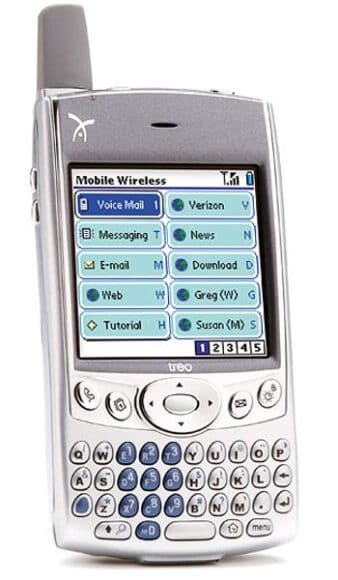
Palm Treo 600
In particular, the sales success of the Palm Treo 600, which combined the functions of a cell phone, PDA and Blackberry, encouraged Steve Jobs in his intention to become active in the market for so-called convergence devices himself. In 2004, the iPod business already contributed to 16 percent of Apple’s revenue. But new developments such as the growing popularity of 3G cell phones and WiFi phones, as well as falling memory prices, were at least potentially threatening the iPod’s leadership position. In addition, new online music platforms were constantly being established to compete with Apple’s iTunes Store.
Quick action was now necessary, even though Apple itself was not yet ready for the development of an iPhone. In the search for cooperation partners, Steve Jobs chose Motorola. The U.S. mobile phone giant was celebrating great sales successes at the time with its RAZR design cell phone. Jobs also knew Motorola CEO Ed Zander from the time when Zander had worked in the top management of Sun Microsystems. The scenario called for Apple to concentrate fully on developing the music software, while Motorola and cellular provider Cingular would take care of the hardware and complicated network technology.
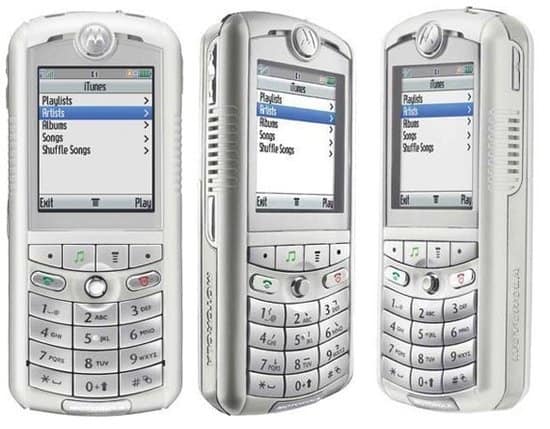
Jobs expected a worthy successor to the RAZR from Motorola, but was bitterly disappointed: Motorola didn’t present a new design gem, but only slightly modified the existing E398 model. The iTunes-compatible phone could only hold 100 songs. The music tracks could only be transferred to the cell phone via a PC. And on top of that, the ROKR E1 was extremely ugly in Steve Jobs’ eyes.
At the presentation of the Motorola ROKR E1 in September 2005, the Apple CEO made little effort to conceal his lack of enthusiasm for the first iTunes cell phone. Jobs coolly described it at the event as «an iPod shuffle on a cell phone» – and already suspected that the ROKR would be left behind by buyers. At that point, he was already pursuing completely different plans, namely to build his own music phone and to stop compromising with handset manufacturers or network operators.
Motorola ROKR E1
According to Vogelstein’s research, Jobs met with a handful of Cingular executives as early as February 2005 to discuss a partnership without Motorola. The panel included Cingular CEO Stan Sigman, who would be in charge of AT&T’s wireless business after Cingular was acquired by AT&T in December 1996. In the meeting, Steve Jobs made three things clear. Apple has the technology to build a revolutionary device. Apple is willing to enter into an exclusive agreement with a wireless provider. And – in the event that no provider takes up this business model – Apple is also prepared to enter the market itself as a virtual network provider and compete with the established carriers.
Compared to the situation in 2004, Apple had much better starting conditions for building its own smartphone at that time: As part of the secret work on an Apple tablet PC, the engineers in Cupertino had built up considerable knowledge of touchscreen technology that could also be transferred to a small device. In addition, with the ARM-11 chip, a microprocessor was finally on the market that could give a cell phone the necessary power for sophisticated smartphone and iPod applications. Furthermore, companies such as the British Virgin Group had proven that it was possible to earn money as a virtual network operator without having to operate transmission towers.
In the twelve months of negotiations with Cingular, Apple succeeded in doing nothing less than turning the established business model between cell phone producers and network operators on its head. In the era before the iPhone, providers alone determined the conditions under which services were offered in their network. The cell phones played only a minor role in this scenario and were also usually offered to consumers at absurdly low symbol prices. The subsidized cell phones were ultimately refinanced through long contract terms of the cell phone customers. This model worked quite well as long as the one-dollar or one-euro cell phones constantly attracted new customers who had not previously had a mobile communications contract. In cutthroat competition, however, low-cost cell phones were no longer enough to retain customers over the long term.
For ages, Apple’s recipe for success has included an almost paranoid secrecy associated with every new product. And with the iPhone, Steve Jobs personally made sure that the usual security precautions were once again tightened. Internally, the iPhone project was just called Purple 2 or P2. Jobs spread the development teams across the entire Apple campus in Cupertino so that no one could get an idea of the overall strength of the project team.
When Apple employees went to Cingular, they posed as Infineon employees, Wired reporter Vogelstein found out. The German chip company supplies the radio component of the iPhone. Jobs even made sure that hardly anyone within Apple got to see the overall concept of the iPhone. The hardware team had no idea what the user interface would look like until shortly before the iPhone was unveiled at MacWorld Expo in January 2007. Their dummy devices were loaded with fake software that had nothing to do with the eventual iPhone. And the software people were handed clumsy wooden boxes that ran their programs. According to Vogelstein’s research, only about 30 top people in the project were allowed to see the complete iPhone before MacWorld 2007.
The secrecy did not stop after the launch of the iPhone. Until today the details of the revenue sharing between AT&T and Apple are secret. However, analysts such as Gene Munster of Piper Jaffray, after analyzing the balance sheets, assume that Apple receives around 18 US dollars per month from AT&T for each iPhone customer. If this figure is realistic, Apple will take another $432 in commission over the course of the minimum contract period of 24 months, in addition to the hardware price of $399. It’s no wonder that cell phone manufacturers like Nokia and SonyEricsson looked to California with disbelief and envy – and providers like Vodafone now fear that the iPhone example will now set a precedent for other top cell phones.
Later, the head of Deutsche Telekom, René Obermann, found himself in a similar position to Cingular and AT&T in 2006. For Obermann, the sex appeal of the iPhone offered a unique opportunity to distract from the gray reality at T-Mobile and the entire Telekom Group. For this reason, Obermann also accepted conditions that he would otherwise not have accepted from any other cell phone manufacturer.
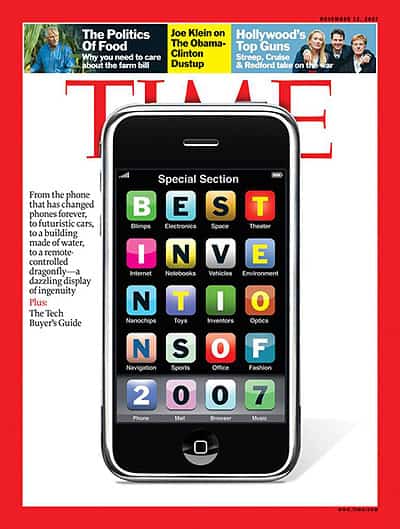
iPhone on the cover of Time Magazine
AT&T and T-Mobile wanted the iPhone in their product portfolios. Absolutely. They also respected the immense effort Apple had put into developing the iPhone. For example, Apple spent several million dollars on the purchase of equipment for antenna and network tests alone. In total, the development of the iPhone is said to have cost around 150 million dollars. At least in the U.S., the formula for business success with the iPhone worked. In the first 200 days, Apple sold four million iPhones, Apple CEO Steve Jobs announced at the MacWorld Expo. According to a study by Canalys, the iPhone already captured third place in the «smart mobile devices» category in the 4th quarter of 2007 with a market share of 6.5 percent, behind Nokia (53 percent) and Blackberry manufacturer Research In Motion (11.4 %). This means that the iPhone was able to overtake other smartphone manufacturers such as Motorola, SonyEricsson, and Windows Mobile licensees such as HTC and Samsung right from the start. However, smartphones only account for a small fraction of the mobile phone market, which is worth billions.
Market success in Germany was more modest. In the first eleven weeks, T-Mobile sold just 70,000 iPhones, while in the U.S. an average of 20,000 devices crossed the counter every day. However, there are also many iPhone buyers in Germany who do not appear in any T-Mobile statistics because they acquired their dream phone on the gray market on the Internet or on a trip to the USA. Experts believe that one in four iPhones sold in the U.S. was not registered with AT&T.