John Carmack was the lead programmer of the id video games Commander Keen, Wolfenstein 3D, Doom, Quake, Rage and their sequels. Carmack is best known for his innovations in 3D graphics, such as his Carmack’s Reverse algorithm for shadow volumes. In August 2013, Carmack took the position of CTO at Oculus VR. His first meeting with Steve Jobs was quite interesting.
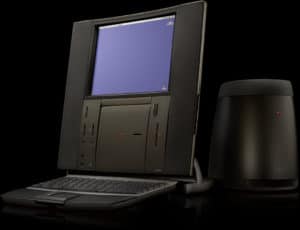
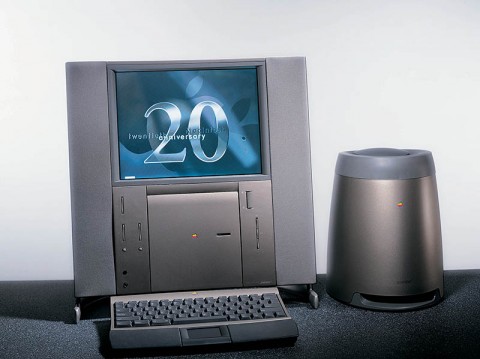
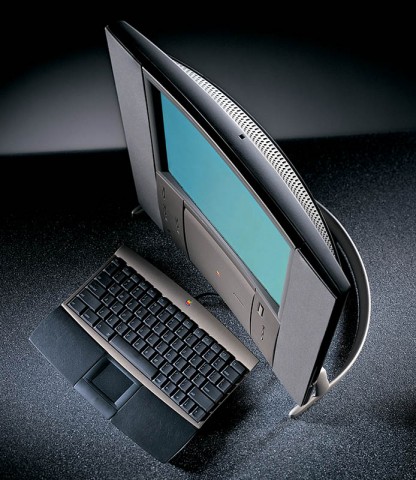
Apple is now (2017) the most valuable company in the world. But 20 years ago it looked like the company was about to completely implode. Nevertheless Apple was celebrating it’s anniversary. It had been twenty years since Apple had officially incorporated, and it marked the occasion with the Twentieth Anniversary Macintosh, or TAM. The machine was a technological showcase of the day, boasting a number of features beyond simple computing, and with a price tag aimed at the “executive” market.
Released on March 20, 1997, the TAM was essentially the computing version of a concept car, an innovation showcase. It compared to a car in another way: it was expensive, costing $7,499 upon its release. After its launch event, The New York Timescalled the ambitious effort a “Ferrari-on-a-desktop.”
The TAM was an all-in-one PC, kind of a spiritual ancestor of the iMac, back when the whole idea of a monitor that contains the computer was totally crazy. It was designed by a young Jony Ive, who would go on to become Apple’s resident creative genius.
April 1, 1996 marked 20 years since the day that Steve Jobs, Steve Wozniak, and Ronald Wayne came together to form Apple Computer. As this milestone arrived and came to the attention of Apple’s then current executives, the decision was made to release a limited edition Macintosh computer to celebrate – and so the “Spartacus” (or “Pomona”, or “Smoke & Mirrors”) project was born.
The normal time-span to develop a new Macintosh computer was 18+ months, however they were already late to the party. Luckily the design team had already been working on several “dream” concepts, and soon settled on the most feasible of those – the (almost) “All-in-One” LCD-based design. To cut down on development time, many off-the-shelf components were used on the new computer’s internals.
The TAM was announced almost 20 years to the day after Jobs and Wozniak incorporated the company, in January 1997 at MacWorld Expo, San Francisco. It was given a release date of March 20, 1997, with a retail price of US$7,499. Originally intended as a mainstream product, the marketing group turned it into a pricey special edition.
Specifications and design
The TAM was to break the established form factor of the personal computer. One of the first projects of Jonathan “Jony” Ive, the design of the TAM was both a state-of-the-art futuristic vision of where computing could go whilst redeveloping Apple’s original objective to create a device that would integrate into people’s lives.
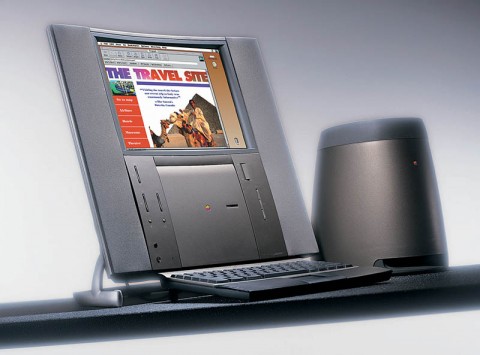
The TAM featured a 250 MHz PowerPC 603e processor and 12.1″ active matrix LCD powered by an ATI 3D Rage II video chipset with 2MB of VRAM capable of displaying up to 16bit color at either 800×600 or 640×480 pixels. It had a vertically mounted 4x SCSI CD-ROM and an Apple floppy Superdrive, a 2GB ATA hard drive, a TV/FM tuner, an S-Video input card, and a custom-made Bose sound system including two “Jewel” speakers and a subwoofer built into the externally located power supply “base unit”.
A thick “umbilical” cable connects the base unit to the head unit, supplying both power, and communications for the subwoofer. The umbilical connects via a multi-pin connector, which is a possible cause of the TAM’s one major fault – the “speaker buzz”. Inspections of units that received a repair by Apple due to the speaker buzz found an extra resistor/s had been installed in the umbilical. Ensuring the connectors are free of dust/dirt has also been known to resolve the “buzz”, though the buzz ultimately only affected a small percentage of machines. An Apple Engineer noted[5] that the thick umbilical was intended to power a higher end CPU, however that option was ultimately curtailed, though the diameter of the umbilical remained.
The TAM came with a unique 75 key ADB keyboard which featured leather palm-rests and a trackpad instead of a mouse. The trackpad could be detached from the keyboard if desired, with a small leather insert found underneath the keyboard ready to fill the gap. When not required, the keyboard could slide under the TAM’s head unit, leaving the trackpad exposed for continued access. The TAM also came with a remote control (standard with the Apple TV/FM Tuner card), but also featured buttons on the front panel that could control sound levels, CD playback, brightness, contrast, and TV mode. The pre-installed operating system was a specialized version of Mac OS 7.6.1, which allowed control over those features.
Expandability was offered via a 7 inch PCI slot and Apple Communication slot II for the addition of Ethernet. Later G3 upgrade options offered by Sonnet and NewerTechnologies made use of the TAM’s Level II Cache slot, which allow the computer to reach speeds of up to 500 MHz. All of these options come at the price of the TAM’s slim profile. The back panel must be removed, and replaced with an (included) “hunchback” cover that adds several inches to the depth of the machine.
One last unique feature of the TAM greeted owners when they turned the computer on—a special startup chime used only by the TAM. This chime does not sound the same when played on other devices, possibly simply due to the design of the Bose speakers.
Production/release
Apple CEO Gil Amelio praised the TAM:
For twenty years, Apple design engineers have been building bridges between what people dream about and the amazing new technologies that can take them beyond those dreams. It’s our magnificent obsession. It’s about working and playing and listening and learning and creating and communicating – sometimes all at the same time. It’s about the delight of doing things faster and better and easier. It’s about turning your back on conventional wisdom and finding new ways. Now, it’s about celebrating the last twenty years, and heralding the next twenty. It’s about the most beautiful thing we’ve ever built. It’s the Twentieth Anniversary Macintosh.
Apple manufactured 12,000 TAMs, with a release run of 11,601. The remaining 399 were kept by Apple for use as spare parts.
The TAM was only released in 5 countries: USA, Japan, France, Germany, and the UK.
Both of Apple’s founders, Steve Wozniak and Steve Jobs, received a TAM. When “Woz” allowed people to see into his office via webcam in the late 1990s, his TAM was visible on his desk.
Ten TAMs were sent to Apple Australia. One was given away as a prize via AU MacWorld magazine. Another was awarded as a prize at a gathering of Apple reseller staff. For some time one was on display in Apple’s Sydney HQ; the remainder were kept for use by Apple Australia executives.
Due to the scarcity of scale, rather than training all Apple authorized technicians in repairing the TAM, Apple opted to ship faulty units to three central locations worldwide—one per continent. The US location was the Eastman Kodak Company’s service center, Building 601, in Kodak Park (now known as Eastman Technology Park) in Rochester, New York. Apple’s Service Source CD, containing information for authorized technicians in the repair of Apple computers, lists the TAM as a “closed unit”, to be returned to said repair locations for all repairs. It does not contain a “take apart” guide for the TAM. Support from online forums is the best source of information for repairing a TAM now.
A prototype TAM was spotted on eBay circa 2010 featuring darker colored speaker panels, and missing the “Sound by Bose” label.
Websites
Rather than a simple page on Apple’s website, the TAM was given its own website, albeit only amounting to approximately 6 brief pages. This was nevertheless a departure from Apple’s standard advertising practice for its other Macintosh computers of the time.
Not long after the TAM’s release, a community website was created by Bob Bernardara, an original TAM owner in the U.S. He created the site for TAM owners around the world and it featured news and information about the TAM, along with links to useful software and a forum for discussions. Apple had an active link to the site shortly before the last TAM rolled off the assembly line.
Welcome to The 20th Anniversary Macintosh Web Site—the “Official” home of the TAM user community. This is the place where 20th Anniversary Macintosh owners can share a wealth of information on this “insanely great” product. The TAM (Twentieth Anniversary Macintosh) is a unique machine in the world of computers and this site will help you get the most out of yours.
The TAM site actively ran for several years and it eventually had to shut down when Bernardara could not contact Axon, the Australian hosting company who hosted the site, to make critical updates.
A number of newer TAM community websites have sprung up over the years, though none with the membership that Bernardara’s achieved
Limitations
Based on a PowerPC 603e processor, the TAM cannot run Mac OS X natively, but with the addition of a G3 or G4 aftermarket upgrade and the use of XPostFacto 4.0 software the TAM could run several versions of OS X, with some limitations.
Attempting to install Mac OS X otherwise can “brick” the TAM, and is ill-advised.
Discontinuation
Upon unveiling, the TAM was predicted to cost US$9,000, which would include a direct-to-door concierge delivery service. At release the price was reduced to $7,499. In the middle of its sales’ lifespan Apple dropped the price further to around US$3,500, and finally upon discontinuation in March 1998 the price was set to US$1,995. Customers who paid full price for the TAM, and then complained to Apple when the price was so drastically cut, were offered a free high-end Powerbook as compensation.
Steve Jobs returned to Apple in 1997. In March 1998 he made sweeping changes, including scrapping the Newton MessagePad. It was at this time that the TAM was discontinued, and remaining stocks reduced to US $1,995. The timing itself was not conspicuous – most Apple computers only feature a 1-year production run, and the TAM’s began in March 1997. However Jobs was on record stating that he hated the TAM, as it stood for everything that was wrong at Apple when he returned. The attempt to move the remaining stock by further reducing the price may have been a directive from Jobs himself.
Dealers in the US ran out of stock within 14 days of this final price drop.
Legacy
The Twentieth Anniversary Macintosh may not have been a well known machine in its time, nor a big seller (until the price reductions), but it has had a lasting legacy on personal computers. All-in-one LCD computers are now quite common, not least being Apple’s own modern iMac (starting with the G4 model), which clearly owes its design to the TAM, including using a vertically mounted removable drive (i.e. Superdrive). Even the removable trackpad has been replicated with Apple’s Magic Trackpad.
External power supplies were also used in later Apple computers such as the Power Mac G4 Cube and Mac Mini. Joint efforts with speaker manufacturers (originally Bose, but later Harman Kardon) have become common for several Apple computers.
Despite its poor sales, the TAM remains a “holy grail” amongst Macintosh collectors. As of 2010, complete working TAMs with boxes can sell for over US $1,000. As of early 2015, on eBay, complete working TAMs usually sell with boxes and rarely fetch less than about US$1600 with most examples priced starting at around $3200 and it’s not uncommon to find them listed for nearly twice that, sometimes more still.[6] TAM parts on eBay are rare.
Twentieth Anniversary Macintosh
Twentieth Anniversary Macintosh
Twentieth Anniversary Macintosh
In popular culture
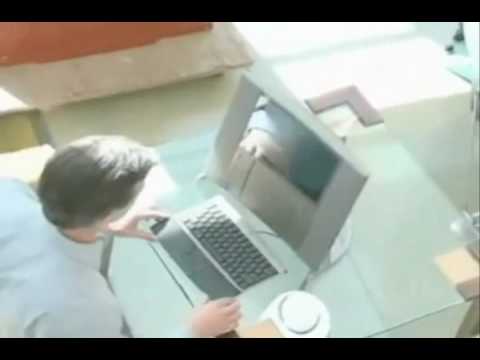
Due to its unconventional design, the TAM has featured in numerous films and television series, including:
Seinfeld: Several episodes of the ninth season of Seinfeld in Jerry’s apartment.
Friends: Behind Chandler’s office desk in the fourth season of Friends in the episode “The One With the Worst Best Man Ever”.
The Real World: The housemates on MTV’s The Real World: Seattle.[7]
Serial Experiments Lain: The appearance of the NAVI computer seen in Serial Experiments Lain was greatly influenced by TAM.
Sabrina (1995): A prototype TAM on the desk of Linus Larrabee in the 1995 remake of the movie Sabrina. The TAM prototype sits on the far right side of Linus, on a dedicated side desk. The CD player has a see through port in the middle of the door that allows for the CD to be inserted and removed, this see through feature was removed in the production version that has a solid dark grey plastic door. The actual unit that Linus had on his desk was Apple’s in house development model that Apple lent to the studio.
Batman & Robin (1997): Used by Alfred to write a CD (a capability the real computer did not have) in Batman & Robin.[8]
Children of Men (2006): In Jasper’s hideout, in the film Children of Men, to show the video feeds of intruders breaking in is a TAM. In this movie it would be 30 years old.
introduced 1997.03.20 at $7,499, discontinued 1998.03.14
Part no.:
Gestalt ID: 512
upgrade path:
Mac OS
Requires Mac OS 7.6.1 through 9.1 (requires special version of Mac OS 8)
Core System
CPU: 250 MHz PPC 603e
Level 2 cache: 256 KB, expandable to 1 MB
Bus: 50 MHz
ROM: 4 MB
RAM: 32 MB (expandable to 128 MB, accepts two 168-pin 5V 60ns or faster EDO or FPM DIMMs)
Performance
CPU performance: 237, MacBench 4
Graphics
GPU: ATI 3D Rage II
VRAM: 2 MB VRAM
Video: 12.1″ 800 x 600 at 8- or 16-bit. 24-bit video support possible with ATI January 2002 retail drivers noted above, although the display itself only supports 18-bit output (6 bits per color channel).
Drives
floppy drive: 1.4M
Hard drive: 2 GB 2.5″ ATA/EIDE drive, 128 GB maximum, newer drives may requires a different drive bracket or modification of the original bracket.
CD-ROM: 4x
Expansion
ADB ports: 1
SCSI: DB-25 connector on back of computer
serial ports: 2 DIN-8 GeoPorts
PCI slots: 1 6.88″ slot
other expansion slots: 1 Comm Slot II, filled with 33.6kbps GeoPort modem
Six of the Rarest Macs, Benj Edwards, Macworld, 2012.10.19. JLPGA PowerBook 170. Colour Classic II. Macintosh TV. PowerBook 550c. 20th Anniversary Mac.
The Five Weirdest Macs of All Time, Benj Edwards, Macworld, 2012.10.12. Flower Power and Blue Dalmatian iMacs. Twentieth Anniversary Mac. Power Mac G4 Cube. Macintosh XL. Power Mac G3 All-in-One.
Low End Mac’s Compleat Guide to Mac OS 9, 2008 Edition, Charles W Moore, Miscellaneous Ramblings, 2008.05.12. Mac OS 9 remains fast and stable, but Classic software hasn’t kept up with the changing internet. Which Macs support OS 9, where to buy it, and how to update to 9.2.2.
The good, the bad, and the ugly of AppleDesign, Charles W Moore, Miscellaneous Ramblings, 2008.10.15. Apple has produced some beautiful computers and iPods over the years, but also a few of the ugliest and most ungainly computers ever seen.
The 25 most important Macs, Dan Knight, Mac Musings, 2009.02.17. The 25 most significant Macs in the first 25 years of the platform, continued.
Why You Should Partition Your Mac’s Hard Drive, Dan Knight, Mac Musings, 2008.12.11. “At the very least, it makes sense to have a second partition with a bootable version of the Mac OS, so if you have problems with your work partition, you can boot from the ’emergency’ partition to run Disk Utility and other diagnostics.”
The Compressed Air Keyboard Repair, Charles W Moore, Miscellaneous Ramblings, 2008.07.24. If your keyboard isn’t working as well as it once did, blasting under the keys with compressed air may be the cure.
10 cult Macs adored by collectors, Tamara Keel, Digital Fossils, 2008.05.13. Macs are not only noted for their longevity, but also by the passion which collectors have for some of the most interesting models ever made.
TAM I Am, James & John, RetroMacCast, 2006.12.25. Looking at the 20th Anniversary Mac, classic Mac scanners, and the MacMania cruise.
Web browser tips for the classic Mac OS, Nathan Thompson, Embracing Obsolescence, 2006.01.03. Tips on getting the most out of WaMCom, Mozilla, Internet Explorer, iCab, Opera, and WannaBe using the classic Mac OS.
The best browsers for PowerPC Macs and the classic Mac OS, Nathan Thompson, Embracing Obsolescence, 2005.12.16. Two browsers stand out from the pack: iCab 3 is modern and remains under development, and WaMCom brings Mozilla to older Macs.
In this vintage nine-minute video, cofounders Steve Jobs and Steve Wozniak looked back at some of it, dating all the way back to 1976’s Apple I.
The speaker at the start of the video is Paul Terrell, who founded one of the world’s first computer stores, the Byte Shop, in Mountain View, California, in 1975. The next year, he played a significant role in Apple history by placing an order for 50 of Wozniak and Jobs’s Apple I computers—on the contingency that they supply them fully assembled, rather than as a solder-it-yourself kit.
While watching the video, I couldn’t help but notice two snippets at the 7:36 mark from 1982 about scroll bars.
https://www.youtube.com/watch?v=Xi1vYYn-1Jo
First, an Apple engineer shows how scrolling works in the Lisa, followed immediately by a similar demo from Xerox. This juxtaposition immediately struck me as interesting because Apple detractors are quick to reference Xerox Parc when dismissing the graphical interface innovations of the Lisa and Macintosh. While there is no denying Xerox’s influence, these two snippets perfectly illustrate massive amounts of design and refinement championed by Apple during that era. Read for yourself.
The instructions from the Apple bit:
To scroll by one line, click in an arrow. To repeatedly scroll a line at a time, hold the mouse button down in an arrow. Note that the arrows point towards the data that will be exposed when pressed. To scroll by one windowful, click in a grey region. To repeatedly scroll by windowfuls, hold the mouse button down in a grey region. To scroll immediately to a desired location, press in the thumb, drag to the desired location and release. To abort the scroll, drag out of the scroll bar before releasing the button.
Now the Xerox Parc segment (emphasis mine):
The Cedar Document Editor [Kiyoga?] provides vertical scroll bars to the left edge of document windows. When the cursor enters into a scroll bar, the scroll bar darkens and the cursor indicates that scrolling is available. Each of the three mouse buttons corresponds to a scrolling operation. When a mouse button is depressed, the cursor shape indicates the enabled scrolling action. When the mouse button is released, the command is invoked. Scroll up moves the line of text adjacent to the cursor to the top of the window. Scroll down moves the line of text at the top of the document window to be adjacent to the cursor. Thumb causes display of the location in the document corresponding to the vertical position of the cursor in the scroll bar. The grey rectangle indicates the location in the document which is currently visible.
People who think UI design is easy might think the differences here are trivial; those who know that UI design is difficult know otherwise.
Steve Jobs had assembled a dream team of genius programmers and engineers, whom he urged like a cult leader with flattery and verbal attacks to continually new heights. But the ever-changing demands of Jobs delayed the Mac project, so that the Apple co-founder finally lost his bet against the Lisa team. It was not until the 24th of January 1984, that the Mac was finally ready.
At the public presentation of the new computer model, Jobs recited the song “The Times They Are A-Changin” by Bob Dylan:
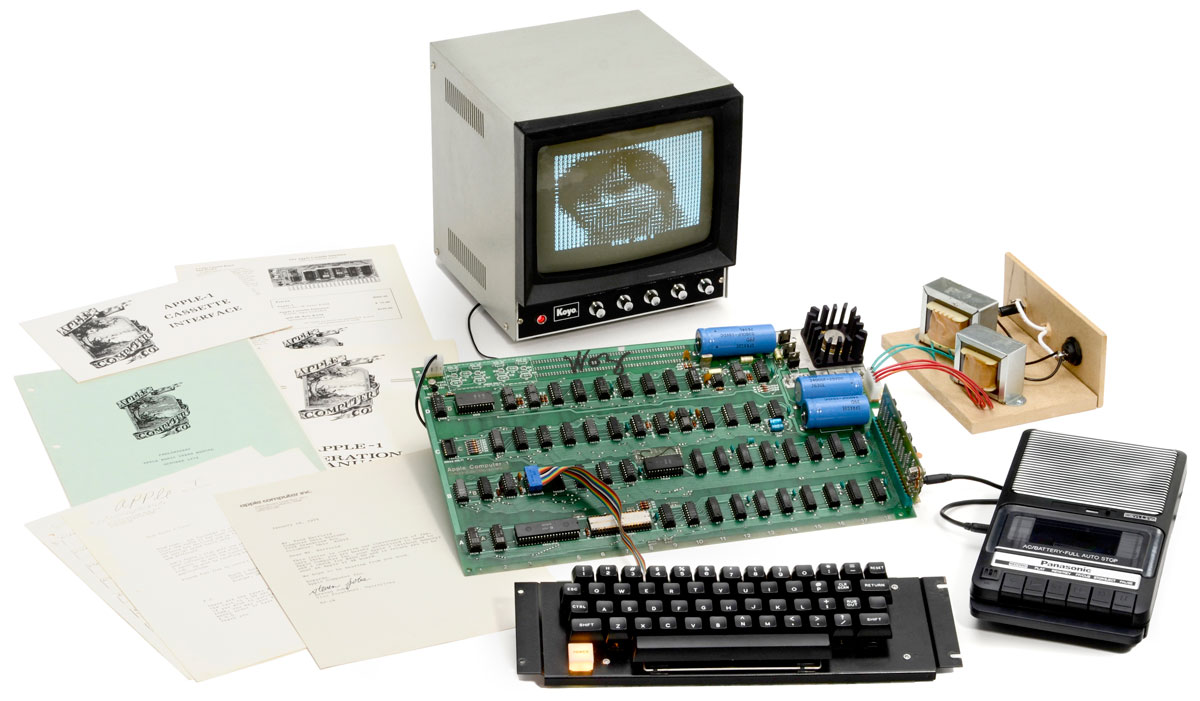
An unknown bidder from Asia spent almost halb a million Euro for this Apple-1 in working condition. On 25th May 2013 this marvelous piece of computer history came under the hammer at Auction Team Breker in Germany. The auction house based in Cologne got 516,461 Euro ($671,400). The Apple-1 originally sold in 1976 for $666 (about $2,700 in current dollars).
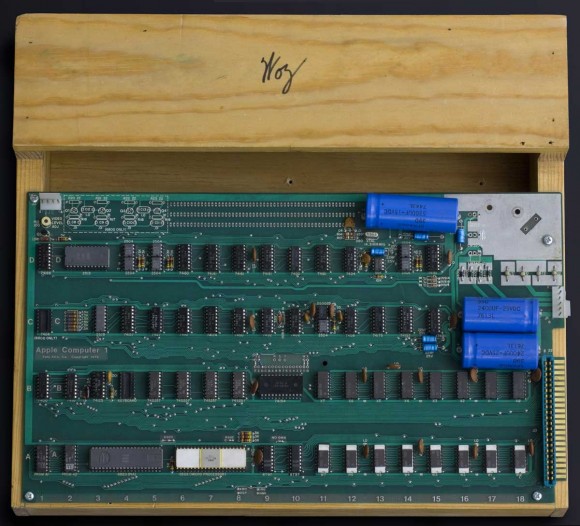
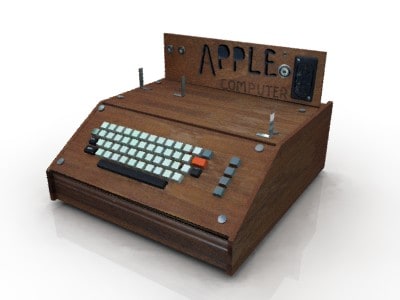
The Apple-1 was designed and handmade by Steve Wozniak, and was marketed in April 1976 by Steve Jobs through electronics retail chain, the “Byte Shop”, which bought the first 50 units. The first Apple computer was delivered as a motherboard only. The peripheral equipment such as power pack, keyboard, monitor and cassette recorder had to be obtained personally by the user. Apple didn’t offer a housing; every user had to make his own. The peripheral items in this auction were authentic and correspond to the motherboard as recommended by Apple.
Only 200 examples of the Apple-1 were ever made. According to the Apple-1 Registry by Mike Willegal, today there are only 46 sets in existence worldwide, but just 6 of these are in fully-working condition, and the example offered here was one of those.
According to the New York Times the original owner of that Apple-1 was Fred Hatfield, a retired electrical engineer living in New Orleans. Mr. Hatfield attached an image of a letter, dated Jan, 18, 1978 and addressed to him, signed by Mr. Jobs. Mr. Hatfield in New Orleans said he held onto his Apple-1 until earlier this year. Then, a young man from Texas in the software business, whom Mr. Hatfield would not identify, inquired. They negotiated a price — $40,000.
The Apple-1, Mr. Hatfield said the New York Times, was not then in working condition. The buyer apparently put in some new chips and wiring, since it was a working model when it sold on 25th May 2013. After picking up the machine, Mr. Hatfield said, the young man flew off to California to get the machine signed by Mr. Wozniak, who designed the Apple-1. That also enhanced its value presumably.
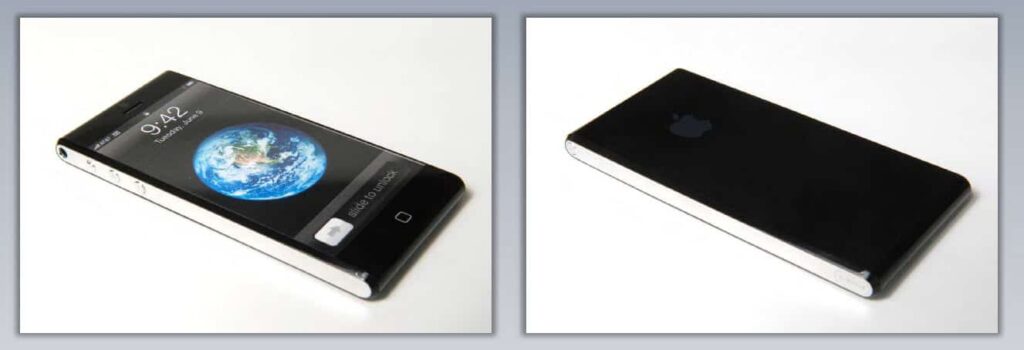
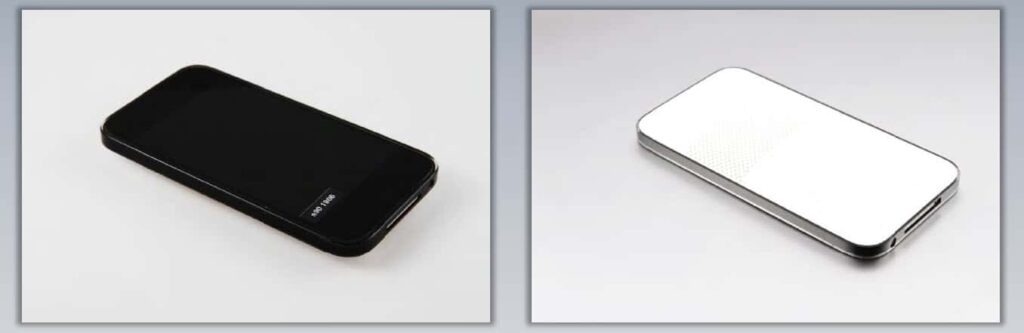
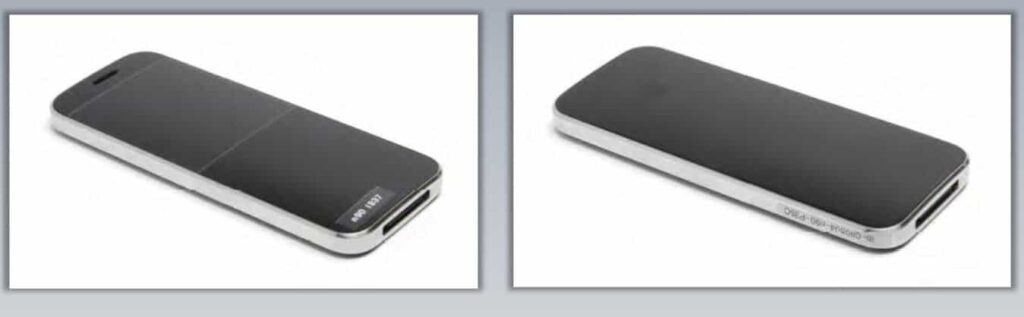
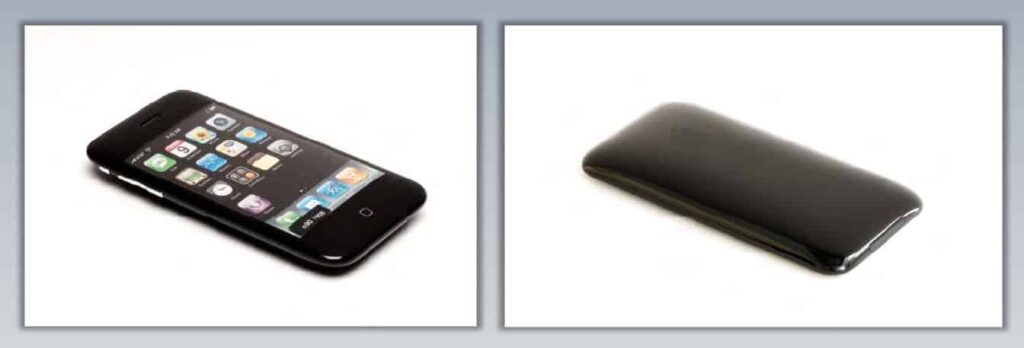
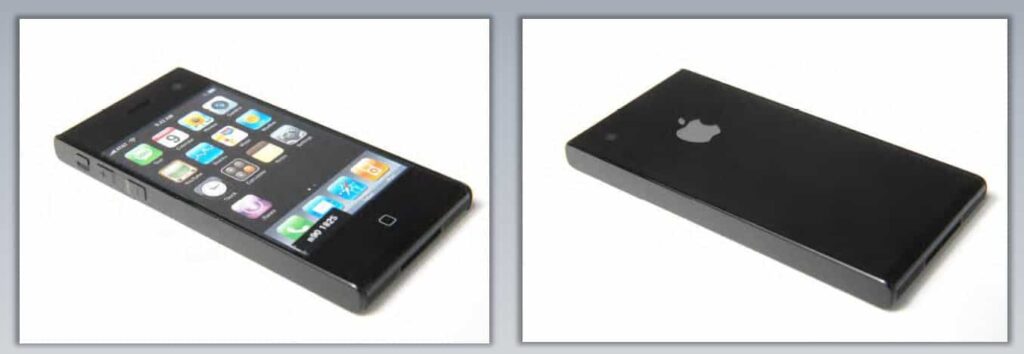
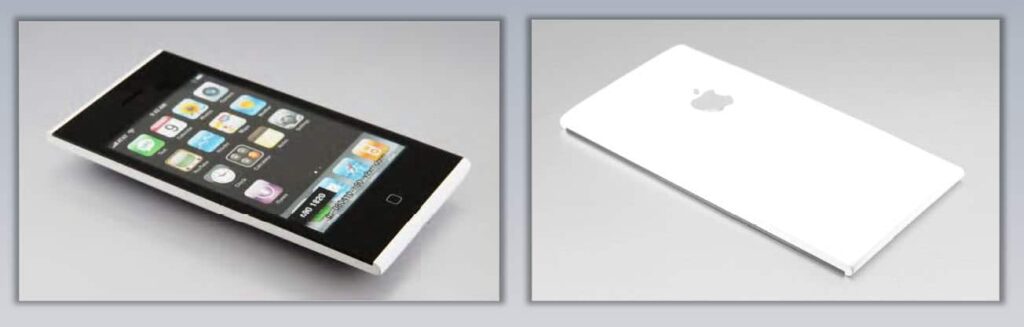
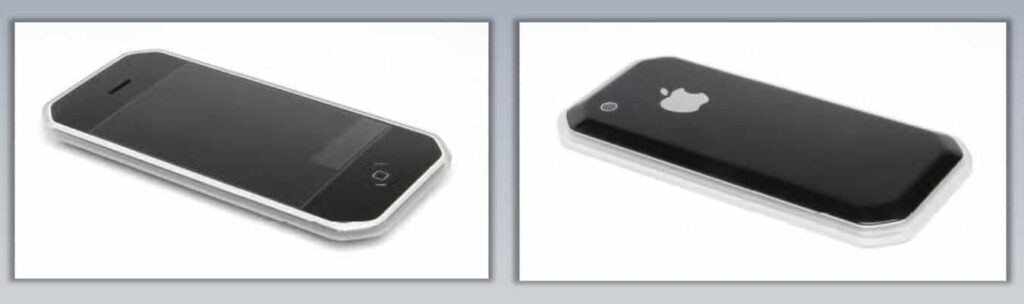
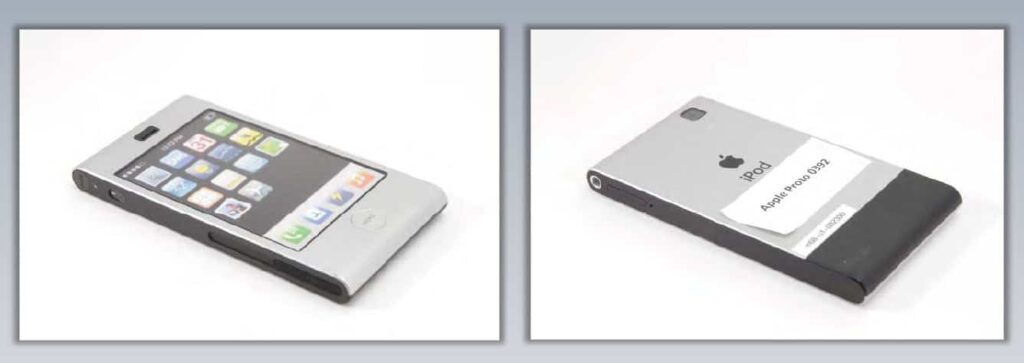
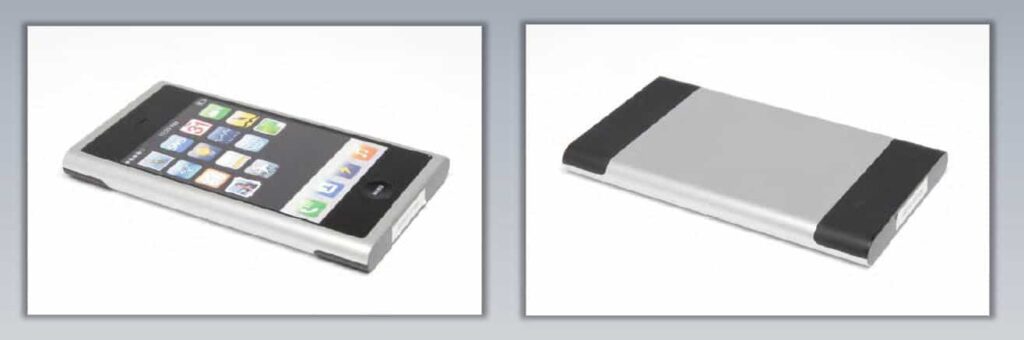
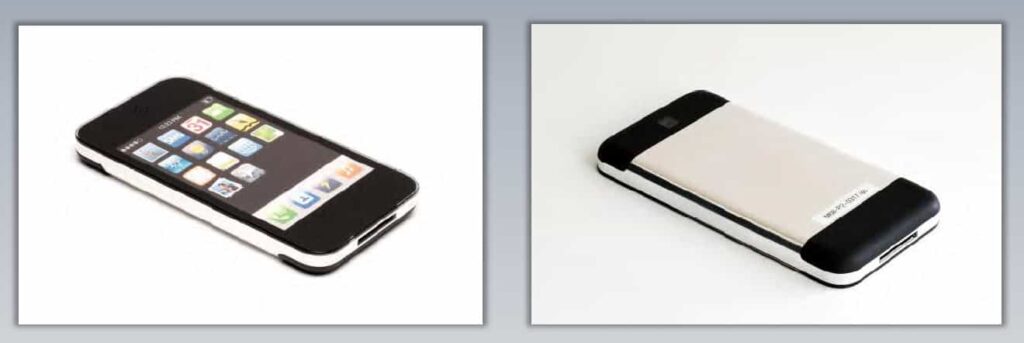
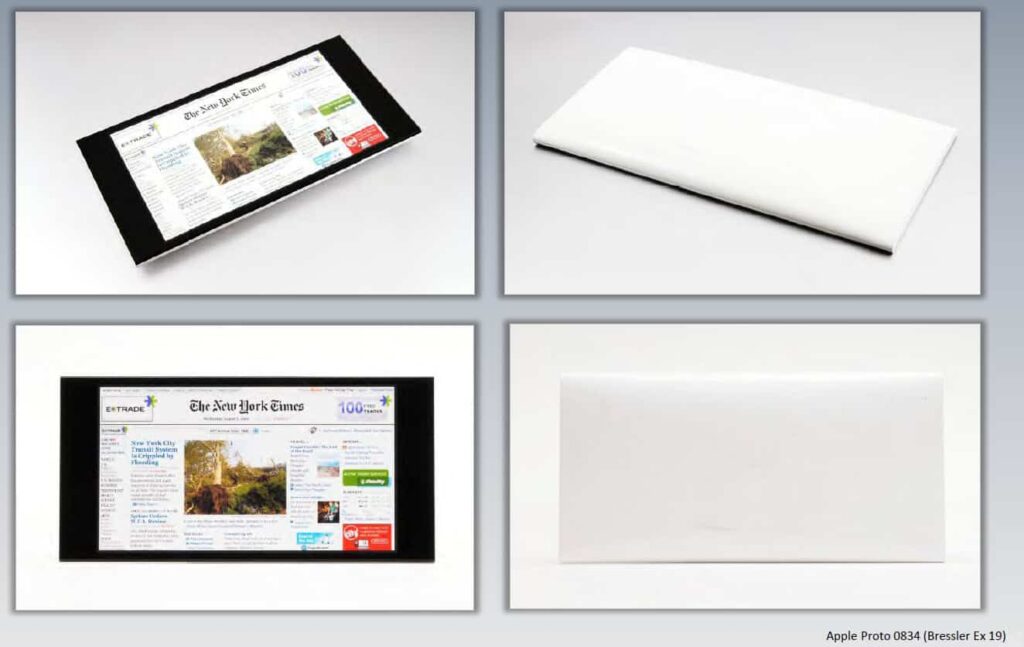
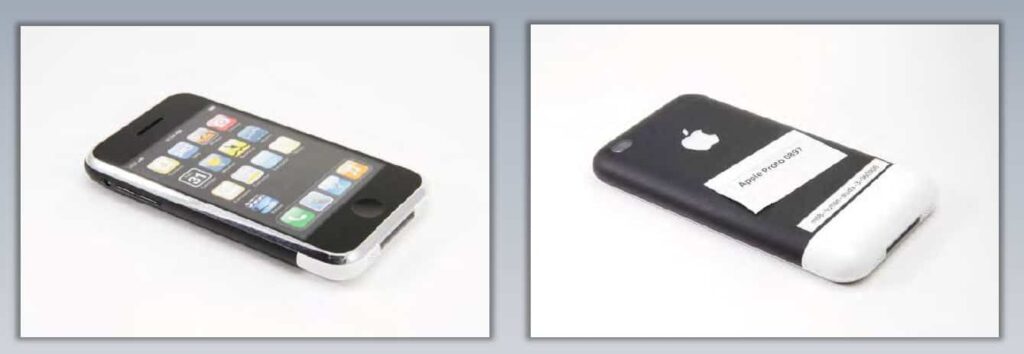
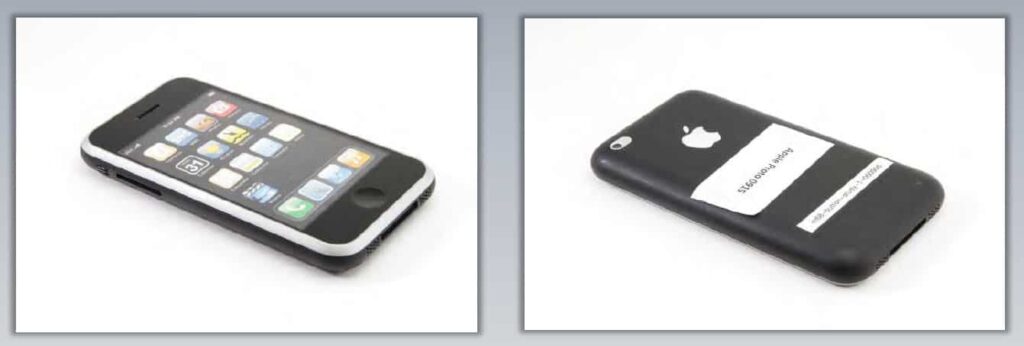
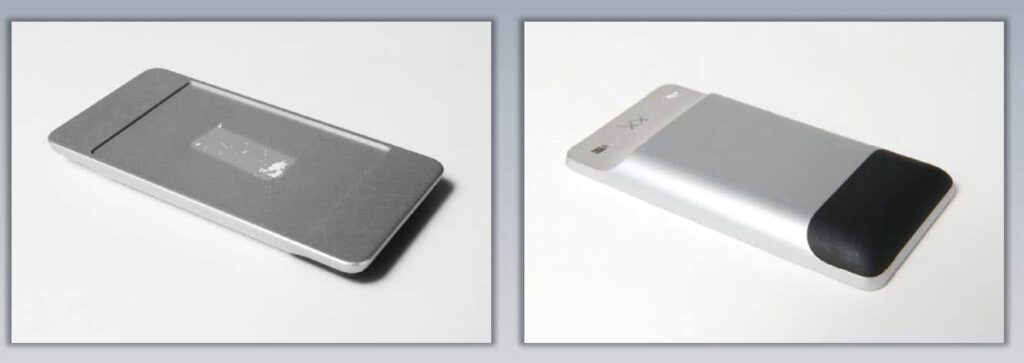
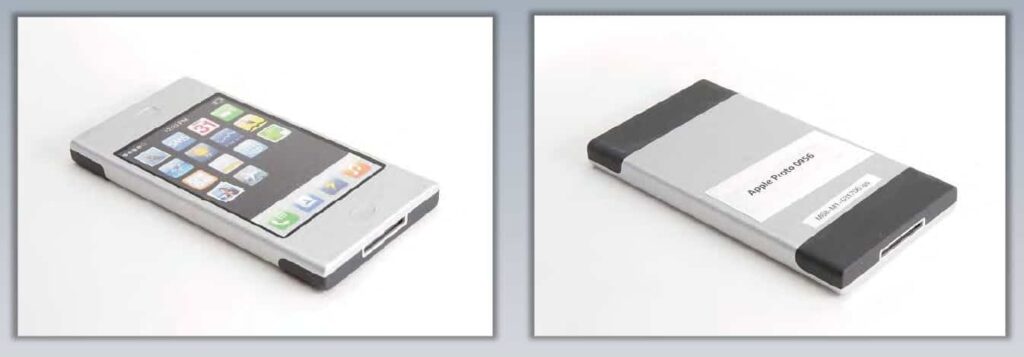
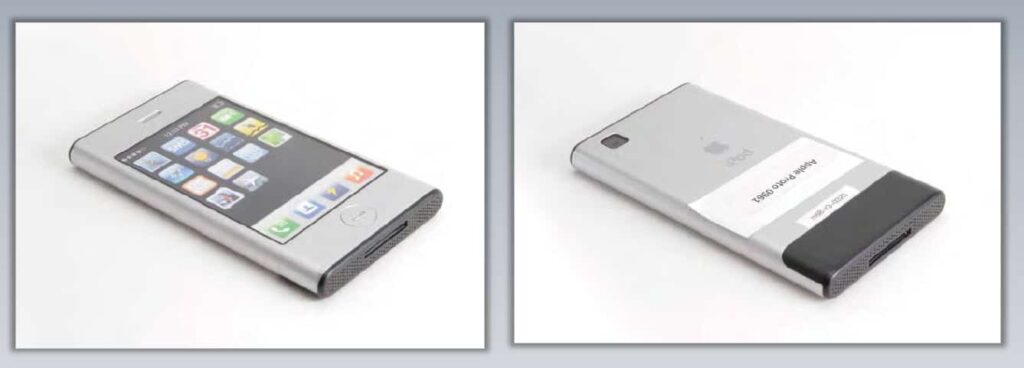
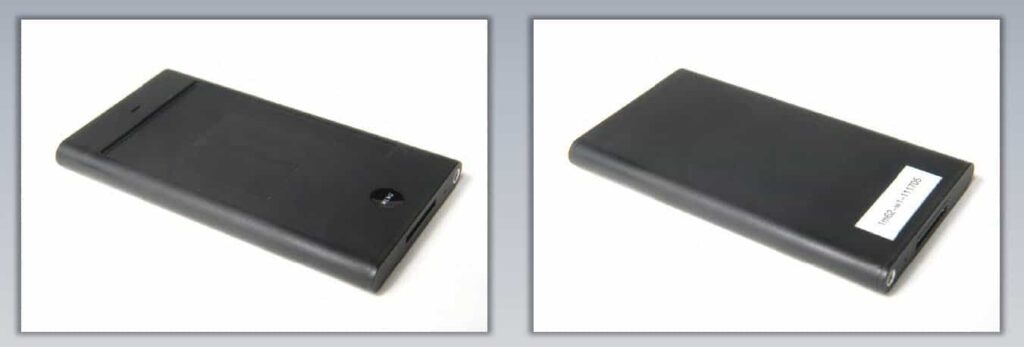
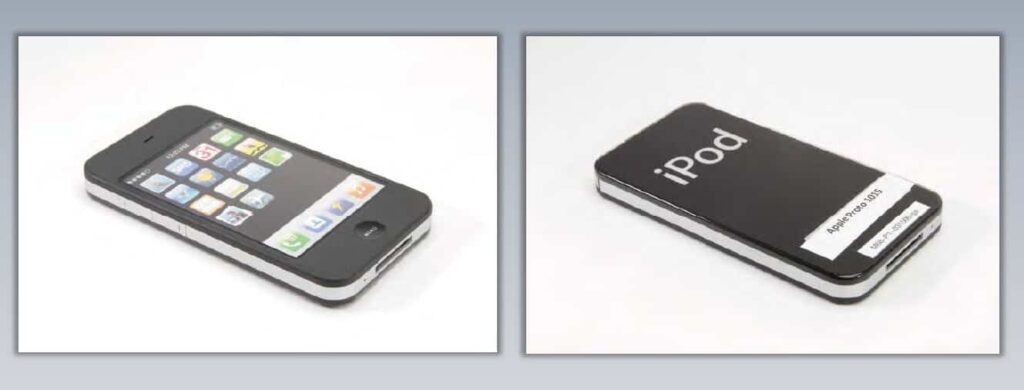
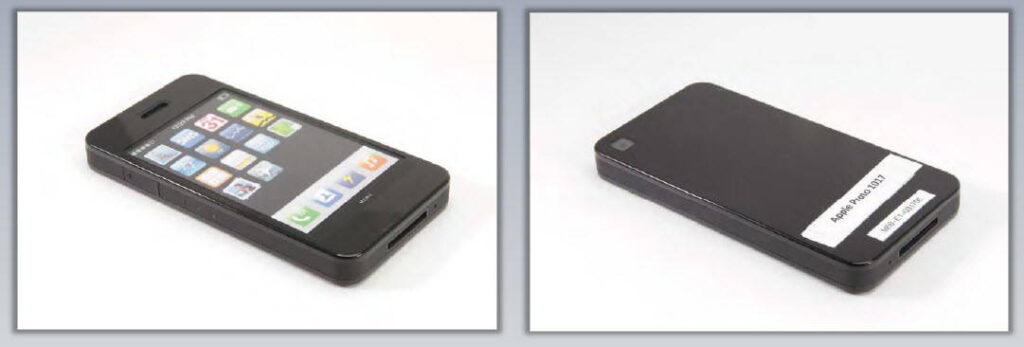
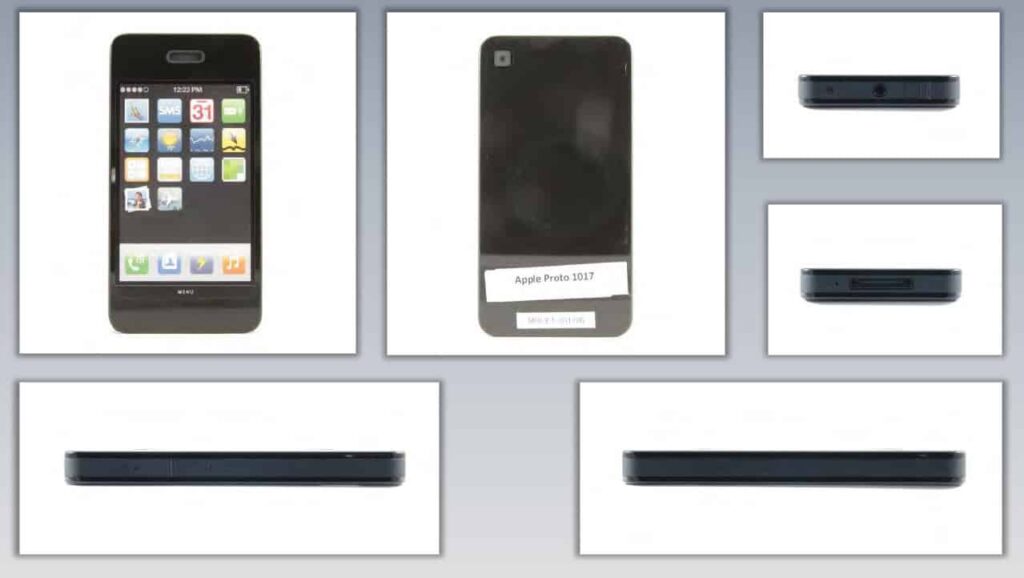
Apple’s court case against Samsung gave an inside peek at how Apple develops its new products. The Cupertino, Calif.-based company was forced to hand many documents to Samsung, a good number of which Samsung has, in turn, filed as exhibits to various motions and pleadings in the case. While Apple has been able to keep some things private, there have clearly been more things made public than the secretive company would prefer.
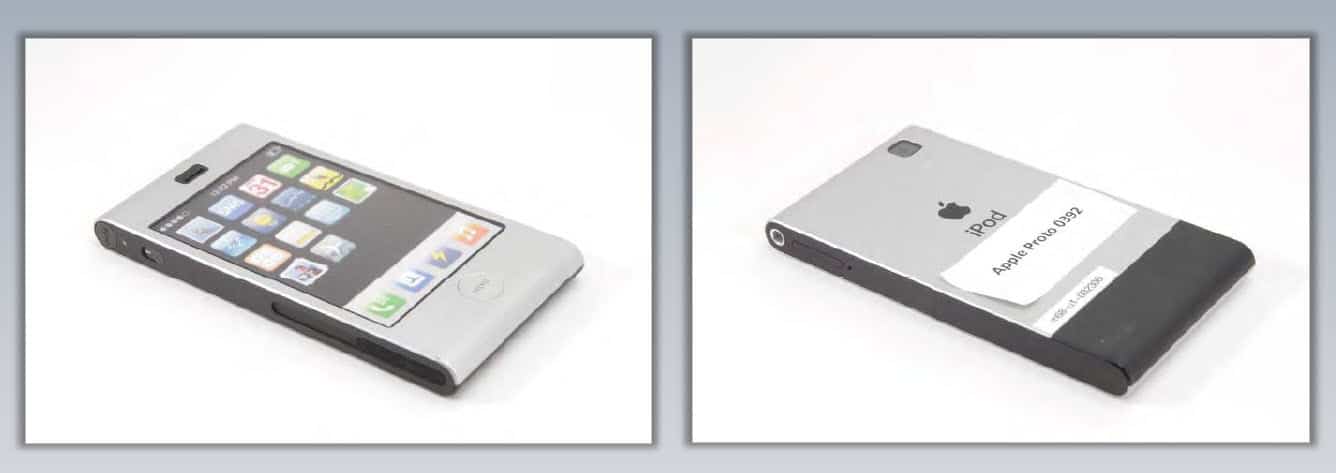
The filing features a host of sketches, images from computer-aided design programs, and photographs of actual models that Apple fabricated as part of its design process.
The first prototype for an Apple tablet was created between 2002 and 2004 — years before the iPad came out.
Steve Jobs told Walt Mossberg and Kara Swisher during an appearance at the 2010 All Things D conference:
I’ll tell you a secret. It began with the tablet. I had this idea about having a glass display, a multitouch display you could type on with your fingers. I asked our people about it. And six months later, they came back with this amazing display. And I gave it to one of our really brilliant UI guys. He got [rubber band] scrolling working and some other things, and I thought, ‘my God, we can build a phone with this!’ So we put the tablet aside, and we went to work on the iPhone.
The original Apple Computer, also known retroactively as the Apple I, or Apple-1, is a personal computer released by the Apple Computer Company (now Apple Inc.) in 1976. They were designed and hand-built by Steve Wozniak. Wozniak’s friend Steve Jobs had the idea of selling the computer. The Apple I was Apple’s first product, and to finance its creation, Jobs sold his only means of transportation, a VW van and Wozniak sold his HP-65 calculator for $500. It was demonstrated in July 1976 at the Homebrew Computer Club in Palo Alto, California.
The Apple I went on sale in July 1976 at a price of US$666.66, because Wozniak “liked repeating digits” and because they originally sold it to a local shop for $500 plus a one-third markup. About 200 units were produced. Unlike other hobbyist computers of its day, which were sold as kits, the Apple I was a fully assembled circuit board containing about 60+ chips. However, to make a working computer, users still had to add a case, power supply transformers, power switch, ASCII keyboard, and composite video display. An optional board providing a cassette interface for storage was later released at a cost of $75.
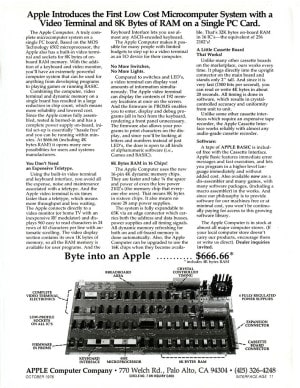
Introductory advertisement for the Apple I Computer
The Apple I’s built-in computer terminal circuitry was distinctive. All one needed was a keyboard and an inexpensive television set. Competing machines such as the Altair 8800 generally were programmed with front-mounted toggle switches and used indicator lights (red LEDs, most commonly) for output, and had to be extended with separate hardware to allow connection to a computer terminal or a teletypewriter machine. This made the Apple I an innovative machine for its day. In April 1977 the price was dropped to $475. It continued to be sold through August 1977, despite the introduction of the Apple II in April 1977, which began shipping in June of that year. Apple dropped the Apple I from its price list by October 1977, officially discontinuing it.
As Wozniak was the only person who could answer most customer support questions about the computer, the company offered Apple I owners discounts and trade-ins for Apple IIs to persuade them to return their computers, contributing to their scarcity. In 1976, Concord High School Junior Wai Lee assembled one of the first 12 Apple Is (no serial number), the first Apple Computer in an aluminum housing.
As of 2012, less than 50 Apple I computers (with only six in working order) are believed to exist, making it a very rare collector’s item.
An Apple I reportedly sold for $50,000 USD at auction in 1999.
A unit was sold in September 2009 for $17,000 on eBay.
A unit was sold on March 23, 2010 for $42,766 on eBay.
In November 2010, an Apple I with serial number 82 sold for £133,250 ($210,000) at Christie’s auction house in London. The high price was likely due to the rare documents and packaging offered in the sale in addition to the computer, including the original packaging (with the return label showing Steve Jobs’ parents’ address, the original Apple Computer Inc ‘headquarters’ being their garage), a personally typed and signed letter from Jobs (answering technical questions about the computer), and the original invoice showing ‘Steven’ as the salesman. The computer was brought to Polytechnic University of Turin where it was fixed and used to run the BASIC programming language.
On June 15 2012, a working Apple I was sold at auction by Sotheby’s for a record $374,500, more than double the expected price.
In October 2012, another (very early – Serial number 22) Apple I in a Christie´s auction found no bidder who was willing to pay the starting price of 80.000 GBP.
On November 24, 2012, a working Apple I was sold at auction by Auction Team Breker for € 400,000
Apple’s marketing history may seem like a continual streak of genius advertising, but even the mighty gadget company has suffered a few stumbles. Take this rarely seen sequel to Apple’s epic “1984” ad spot that features Steve Jobs showing off his acting chops as Franklin Roosevelt in 1944.
Steve Jobs acts as Franklin D. Roosevelt
The full clip, clocking in at a lengthy 9 minutes, was created for a sales associates meeting held in Hawaii in 1984. Jobs’ role as FDR leading the charge against enemy forces was meant as a rallying call to defeat IBM’s dominance.
My reader Ned Truslow wrote two years in a comment on mac-history.net about this video:
I was a props master on it and also am featured in the video. It was a black and white film that had Steve and his guys acting like generals in World War II and they had Mac soldiers who were being airdropped behind “enemy” lines and taking backpacks filled with Mactosh’s to zombie-fied office workers whose lives were stuck in limbo with old office hardware. Once the Mactosh’s are placed on all the office workers’ desks and switched on, the office workers come more alive and are happy. We shot the plane sequence at an airstrip in Mojave, California, and did most of the stuff with Steve and his guys, along with me taking time off from doing props on the video to act as a zombie office worker, all on a studio soundstage in Los Angeles sometime around July of 1984. Anyway, I’ve never seen this 20-minute video online anywhere. Just would love to know if you have an idea of where it might be located, if anywhere.